




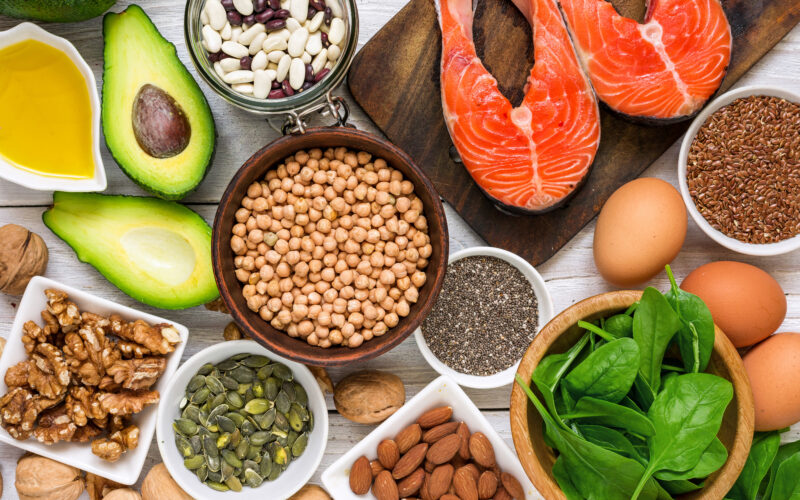
We spend a lot of time talking about what women should avoid when trying to conceive. Cutting out stress, certain foods, environmental toxins, and so much more. We talk far less about what the body actually needs. And one of the things it needs is something most modern diets fall short on: omega-3 fatty acids.
Omega-3s are important, not because some wellness influencer says so, but because these fats are literally woven into the structure of your cells, which includes your eggs and your uterine lining. Research suggests that with the proper amounts of omega 3s, conception becomes measurably more likely. The science is less complicated than you’d think, and the solution to getting more of them into your diet is more simple and accessible than you might expect.
What are omega-3s and why do they matter?
Omega-3 fatty acids are essential fats needed by the body to support key functions, but the body cannot make them on its own. Omega-3s must therefore be obtained through diet, yet many western diets leave women with far less than they need.
There are three main types of omega-3s: ALA, found in plant foods like flax and walnuts, and EPA and DHA, which are found in fatty fish and certain animal products. While plant-based sources are often emphasized, the body converts only a small percentage of ALA into the more active EPA and DHA. This makes direct intake of these forms especially important for supporting physiological processes [1].
What makes omega-3s particularly relevant to fertility is that they are not simply used for energy (like most foods)—instead, they become part of the body’s structure. They are incorporated into cell membranes, including those of developing eggs and the uterine lining. In this way, they help shape the environment in which the menstrual cycle—and fertility—unfolds.
How omega-3s support the menstrual cycle and female fertility
Omega-3s do not target just one aspect of fertility. Instead, they work in harmony with the body, supporting multiple processes that can be tracked through cycle charting and fertility awareness.
Omega-3s do not target just one aspect of fertility. Instead, they work in harmony with the body, supporting multiple processes that can be tracked through cycle charting and fertility awareness.
1. Hormonal balance and ovulation
A healthy cycle depends on a coordinated hormonal rhythm, particularly the rise and fall of estrogen and progesterone. When this rhythm is disrupted, ovulation may be delayed or absent altogether. Here is where omega-3s fatty acids can help, as they contribute to hormonal balance by supporting the signaling pathways involved in hormone production and regulation. They also improve insulin sensitivity, which is especially important for women with PCOS.
By reducing inflammation and supporting metabolic health, omega-3s help create the conditions necessary for ovulation to occur regularly and naturally. For women charting their cycles, this may be reflected in more consistent ovulation patterns and clearer signs of fertility [2] [3].
2. Egg quality (oocyte health)
While detailed cycle tracking with a fertility awareness method can reveal whether ovulation is regularly occurring, it cannot directly measure egg quality. Omega-3 fatty acids, however, also play a structural role in the development of eggs, becoming part of the cell membrane and influencing its integrity. Healthy membranes are more adaptable and better equipped for fertilization.
In addition, omega-3s help reduce oxidative stress, which can damage eggs over time. This protective effect supports not only the likelihood of fertilization but also the early stages of development that follow [4].
3. Reduced inflammation
Chronic inflammation is often an invisible barrier to fertility. It can interfere with ovulation, disrupt hormonal signaling, and create a less hospitable environment for implantation. Omega-3s are well known for their anti-inflammatory properties, which help balance the excess omega-6 fats that are common in processed foods.
For women experiencing conditions like endometriosis or painful cycles, this reduction in inflammation may also be reflected in symptom improvement. This is another sign that the body is moving towards greater health [5].
4. Uterine environment and implantation
Fertility awareness methods often emphasize identifying the fertile window, but successful conception also depends on what happens afterward. The uterine lining must be adequately developed and receptive in order for implantation to occur. Omega-3 fatty acids support this process by promoting healthy blood flow and contributing to endometrial development.
From a restorative perspective, this highlights an important truth: the body is not simply trying to achieve pregnancy, it is also preparing to sustain it. Nutrients like omega-3s may help ensure that this preparation is complete [2] [4].
5. Embryo development
In the earliest stages of life, nutrition continues to play a role. DHA, in particular, supports cellular communication and early development, including the formation of the embryo’s nervous system. While this occurs after conception, it underscores the importance of preconception health. The environment present at the time of fertilization influences everything that follows, reinforcing the idea that healthy cycles are crucial well before pregnancy is desired.
Omega-3s and fertility outcomes
From a restorative reproductive health perspective, fertility is not something to be forced or bypassed, it is something to be supported. And the research on omega-3s reflects this principle.
In a secondary analysis on a prospective time to pregnancy cohort study, women who used omega-3 supplements were found to be 1.51 times more likely to conceive in a given cycle compared to women who did not, even after adjusting for age, BMI, and other factors [1].
In a secondary analysis on a prospective time to pregnancy cohort study, women who used omega-3 supplements were found to be 1.51 times more likely to conceive in a given cycle compared to women who did not, even after adjusting for age, BMI, and other factors.
Dietary patterns rich in omega-3 fatty acids have likewise been associated with improved reproductive outcomes, including better egg quality and more favorable conditions for conception [2, 3]. Even in assisted reproductive technologies (such as IVF), where intervention is high, underlying nutritional status continues to matter. This is proof that the body’s baseline health remains critical, regardless of how someone is trying to conceive.
Rather than acting as a quick fix, omega-3s appear to support the very systems that make healthy cycles—and therefore conception—possible.
Why many women are deficient in omega-3s—and why it matters
Despite their importance, omega-3 intake is often low. Many women consume little fatty fish, while processed foods high in omega-6 oils have become increasingly common. Even those who include plant-based sources of omega-3s may not achieve adequate levels of EPA and DHA due to limited conversion. Over time, this can lead to an imbalance that promotes inflammation and disrupts the body’s natural rhythms [5].
From a menstrual cycle perspective, this imbalance may show up as irregular cycles, unclear ovulation signs, or persistent symptoms that suggest the body is under stress. It is crucial to pay attention to these irregularities before more serious conditions develop.
When viewed through the lens of restorative reproductive medicine, the importance of omega-3s becomes clear, and it also illuminates another important fact: Fertility is not something separate from overall health, but an indicator of it. When the body lacks key nutrients, it may signal that it is not fully prepared to support new life.
When viewed through the lens of restorative reproductive medicine, the importance of omega-3s becomes clear, and it also illuminates another important fact: Fertility is not something separate from overall health, but an indicator of it. When the body lacks key nutrients, it may signal that it is not fully prepared to support new life.
Omega-3 fatty acids help support female fertility at a foundational level. They support hormonal balance, protect egg quality, reduce inflammation, and contribute to a healthy uterine environment. When these systems are functioning well, the cycle itself often becomes more stable and predictable. In this sense, omega-3s are not a fertility “hack.” They are part of the nourishment that allows the body to do what it was designed to do [1].
Practical takeaways
For women seeking to understand and support their fertility or simply aiming for lower inflammation and overall greater health, small, consistent diet changes can make a meaningful difference. Incorporating omega-3-rich foods such as fatty fish and high-quality animal products can help rebuild the body’s nutritional foundation. For those who do not regularly consume these foods, supplementation may be a helpful option, particularly in the months leading up to conception.
At the same time, reducing excessive intake of industrial seed oils can help restore a healthier balance between omega-3 and omega-6 fats. This move ensures that the body is absorbing and enriched by the omega-3s consumed.
The bottom line on omega-3s and fertility
Our cycles are incredibly insightful reflections of our overall health. Paying attention to them reveals whether our bodies have the resources they need to support new life. And even if you are not trying to conceive, having a functioning cycle is a marker of health. When cycles are irregular, ovulation is inconsistent, or conception feels elusive, the best reaction is not to feel defeated, but to listen to our bodies with healthy curiosity and a loving desire to take care of ourselves.
Omega-3 fatty acids sit at the intersection of two important ideas: Understanding our bodies and how it responds to our diets. They support the biological processes that make healthy cycles possible, while also contributing to the conditions necessary for new life. In a culture that often treats fertility as something to manage, manipulate, or simply hand out to doctors, it can be easy to overlook these foundations.
Far from being a trendy supplement or optional add-on, omega-3s play a foundational role in the systems that govern fertility. For women seeking to understand and restore their reproductive health, they may be less of a bonus and more of a baseline.
References
- Stanhiser, J., Jukic, A.M.Z., McConnaughey, D.R., & Steiner, A.Z. “Omega-3 fatty acid supplementation and fecundability.” Human Reproduction, 37(5), 1037–1046, 2022.
- Gaskins, A.J., & Chavarro, J.E. “Diet and fertility: a review.” American Journal of Obstetrics and Gynecology, 218(4), 379–389, 2018.
- Moran, L.J., et al. “Dietary composition in the treatment of polycystic ovary syndrome: a systematic review.” Human Reproduction Update, 19(4), 379–400, 2013.
- Salas-Huetos, A., Arvizu, M., Mínguez-Alarcón, L., et al. “Women’s and men’s intake of omega-3 fatty acids and their food sources and assisted reproductive technology outcomes.” American Journal of Obstetrics and Gynecology, 227(2), 246.e1–246.e11, 2022.
- Simopoulos, A.P. “An increase in the omega-6/omega-3 fatty acid ratio increases the risk for obesity.” Biomedicine & Pharmacotherapy, 84, 1738–1743, 2016.