




Hace varios años, una amiga sufrió de varices que le provocaron un embarazo muy incómodo. Todo el peso de su útero en crecimiento sobre su cuerpo menuda, junto con los cambios hormonales del embarazo, además del hecho de que no era su primer embarazo, sino el cuarto (con todo el desgaste físico que eso implica), le provocaron venas abultadas en las piernas y un dolor considerable.
Durante mi quinto embarazo a término (También tuve un aborto espontáneo temprano), descubrí que podía identificarme con el dolor de las varices de mi amiga, pero de una manera inesperada. El dolor que sentía estaba en la pelvis, y fue entonces cuando aprendí que las varices durante el embarazo no siempre se presentan en las piernas. A veces (y especialmente durante el embarazo), las varices pueden aparecer en la vulva.
Un breve repaso sobre la función de las venas
Además de las venas pulmonares, todas las demás venas del cuerpo devuelven sangre desoxigenada al corazón. Mientras que las arterias son una alta sistema de bombeo que transporta sangre oxigenada desde el corazón al cuerpo; las venas son mucho inferior sistema de presión.
Dado que deben luchar contra la gravedad, las venas de las piernas cuentan con válvulas unidireccionales que permiten el paso de la sangre y evitan que fluya hacia atrás y se acumule en los pies. Al moverse, ese movimiento impulsa la sangre de regreso hacia el corazón.
Cuando, por diversas razones, las venas superficiales cercanas a la superficie de la piel tienen dificultades para devolver la sangre al corazón, pueden hincharse y retorcerse. A esta dilatación y retorcimiento de las venas superficiales lo llamamos “varices" [1].
Cuando, por diversas razones, las venas superficiales cercanas a la superficie de la piel tienen dificultades para llevar la sangre de regreso al corazón, pueden hincharse y retorcerse. A esta dilatación y retorcimiento de las venas superficiales lo llamamos “varices”.”
¿Por qué las mujeres son más propensas a tener varices durante el embarazo?
Especialmente durante el embarazo, hay tres factores que merman la capacidad de las venas para hacer circular la sangre de regreso al corazón.
En primer lugar, está el aumento de peso natural del embarazo; en segundo lugar, el aumento considerable del volumen sanguíneo (es decir, la cantidad de sangre que hay en el cuerpo en un momento dado). En tercer lugar, el aumento natural aumento de la progesterona Durante el embarazo, las venas pueden dilatarse.
En conjunto, estos factores pueden ejercer una presión tal sobre el sistema cardiovascular que las venas de las piernas tienen dificultades para devolver la sangre al corazón. Con el tiempo, estas venas se dilatan y se retuercen, y pueden inflamarse tanto que llegan a causar dolor.
¿Qué son las varices vulvares?
Las varices vulvares son, concretamente, varices de la vulva, la zona que abarca todas las partes visibles de los genitales femeninos, desde la abertura de la vagina y la uretra, pasando por los pliegues de los labios, hasta el ano. A menudo, cuando la gente utiliza el término “vagina,”, en realidad se refieren a la vulva.
Al igual que las venas de las piernas, las venas de la vulva —que, junto con el resto de la pelvis, soportan el peso del útero en rápida expansión (¡y su preciado contenido!)— también pueden dilatarse y retorcerse.
¿Cuándo aparecen las varices vulvares?
Las varices vulvares suelen iniciar durante el segundo trimestre, entre las semanas 12 y 24 [2]. Hasta una de cada cinco mujeres embarazadas puede padecerlas, aunque la gravedad de los síntomas varía.
El riesgo de padecer varices vulvares parece ser mayor en las mujeres que han tenido dos o más embarazos a término [2]. Además, las mujeres que padecen varices vulvares también pueden tener varices en las piernas, aunque ese no fue mi caso.
¿Cómo sabes si tienes varices vulvares?
Es posible que sospeche que tiene varices vulvares si siente una presión pélvica o vaginal constante, una sensación de plenitud (que incluso puede parecerse a la sensación de hinchazón de excitación sexual, (lo cual no es muy agradable cuando es constante), así como pesadez, ardor, sensibilidad o dolor a medida que avanza el embarazo. He leído que pueden causar dolor durante las relaciones sexuales, pero puedo dar fe de que, a veces, el dolor aparece después, no durante.
Podrías sospechar que tienes varices vulvares si sientes una presión pélvica o vaginal constante, sensación de plenitud (que incluso puede parecerse a la sensación de hinchazón que se produce con la excitación sexual, lo cual no resulta tan agradable cuando es constante), y pesadez, ardor, sensibilidad o dolor a medida que avanza el embarazo.
A veces, no hay síntomas, solo la presencia de venas dilatadas, lo cual es posible que se detecte durante un examen cervical o un hisopado para detectar el estreptococo del grupo B hacia el final del embarazo.
Tu ginecólogo o tu partera pueden confirmar visualmente la presencia de varices vulvares alrededor de los labios menores y/o los labios mayores (las pliegas que rodean la entrada de la vagina). Sin embargo, dado que son superficial vasos sanguíneos; probablemente puedas observar tú mismo su aspecto similar al de una cuerda o una serpiente con un espejo (perdón si esta descripción te da un poco de asco, ¡pero te puedo asegurar por experiencia propia que es una descripción muy acertada!).
¿Se pueden tener varices vulvares si se es no ¿Embarazada?
En resumen, sí, tú puede puede tener varices vulvares aunque no esté embarazada, aunque esto es poco frecuente. Las varices vulvares pueden ser un síntoma de una afección aún poco conocida llamada síndrome de congestión pélvica [3].
Mi fisioterapeuta especializada en el suelo pélvico me comentó que, en ocasiones, observa casos de síndrome de congestión pélvica, incluidas las varices vulvares, en mujeres jóvenes con endometriosis. Se necesita investigar mucho más en este ámbito, aunque existe una presentación académica dirigida a profesionales de la salud que resume los estudios actuales: aquí.
¿Qué factores agravan las varices vulvares?
Puede que suene a comedia trágica, a una situación en la que, hagas lo que hagas, sales perdiendo, pero sentarse o Permanecer de pie durante períodos prolongados puede agravar los síntomas de las varices vulvares. Lamentablemente, las relaciones sexuales también pueden empeorar los síntomas.
Otra cosa lamentable: hay muy pocos estudios sobre las varices vulvares (y los que existen cuentan con muestras de tamaño reducido o son bastante antiguo) [4]. Una vez que las has tenido en un embarazo, ellas suelen que vuelvan con el siguiente y que aparezcan antes. Una amiga las tuvo en los tres últimos de sus seis embarazos y comentó que empeoraban cada vez, hasta el punto de que le costaba caminar durante el último embarazo.
3 consejos para aliviar el dolor y las molestias de las varices vulvares
En concreto, en el caso de las mujeres no embarazadas con varices vulvares, cirugía y otras terapias podría ser lo adecuado.
Para la gran mayoría de las mujeres embarazadas con varices vulvares, los síntomas desaparecen tras el parto, y a menudo se observa una mejora notable a los pocos días de dar a luz. Sin embargo, mientras tanto, existen tres opciones de eficacia probada para aliviar los síntomas.
Para la gran mayoría de las mujeres embarazadas con varices vulvares, los síntomas desaparecen tras el parto, y a menudo se observa una mejora notable a los pocos días de dar a luz. Sin embargo, mientras tanto, existen tres opciones de eficacia probada para aliviar los síntomas.
#1. Acudir a un fisioterapeuta especializado en el suelo pélvico
Este es tu primer paso fundamental. Un fisioterapeuta especializado en el suelo pélvico comprenderá por lo que estás pasando y podrá aconsejarte ejercicios específicos, posiciones adecuadas y orientarte sobre qué tipos de entrenamiento pueden empeorar o mejorar tus síntomas.
#2. Usar prendas de compresión
Las prendas de compresión pueden ser de gran ayuda para aliviar los síntomas. Ten en cuenta que, aunque tu ginecólogo o ginecóloga pueda recomendarte un producto conocido como «v-strap» (por su parecido con un suspensorio masculino), los fisioterapeutas especializados en el suelo pélvico señalan que este es no es suficiente compresión, y recomiendo pantalones de compresión largos, pantalones capri o incluso leggings para lograr la máxima mejoría de los síntomas. Sí, puedes comprar prendas de compresión baratas en Amazon o en otros sitios, pero en este caso se cumple el dicho de «lo barato sale caro». Las prendas de compresión de calidad no son baratas, pero cumplen su función.
En una empresa que me recomendó un amigo fisioterapeuta especializado en el suelo pélvico (10%, enlace no disponible) tiene su sede en Australia, pero el envío fue sorprendentemente rápido, y mi propia fisioterapeuta especializada en el suelo pélvico quedó impresionada con la calidad y el diseño bien pensado para lograr la máxima eficacia. La Dra. Kayla Borchers, fisioterapeuta especializada en el suelo pélvico, una invitada anterior del podcast «Natural Womanhood», creó un episodio del podcast sobre las varices vulvares y además tiene un código de descuento para su marca favorita de prendas de compresión.
#3. Ejercicio
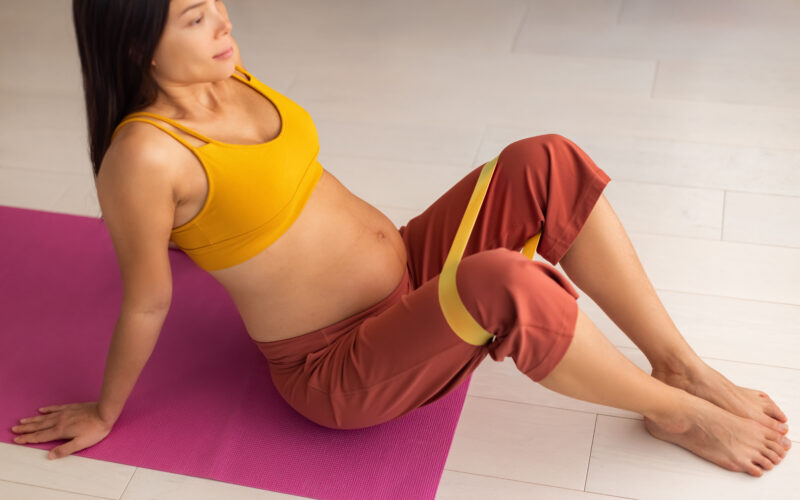
El ejercicio de intensidad moderada a vigorosa (piensa en cualquier actividad que acelere tu ritmo cardíaco) ayuda a que las venas funcionen como deben, pero con una salvedad: a medida que avanzaba el embarazo, mi fisioterapeuta especializada en el suelo pélvico me recomendaba cada vez más que tuviera cuidado al usar mancuernas y otras pesas. El aumento de peso, especialmente al hacer sentadillas, zancadas o levantamientos de peso muerto, puede agravar la hinchazón y la sensación de presión o pesadez. Hacia el final de mi embarazo, dejé las pesas y pasé a hacer ejercicios con el peso de mi propio cuerpo y a caminar todo lo que podía. Nadar, si tienes acceso a una piscina, puede ser especialmente relajante y aliviar el dolor.
Tanto el video del Dr. Borchers como este vídeo La popular YouTuber Jessica Pumple, de «Pregnancy and Postpartum TV», tiene muchas más sugerencias, ¡entre ellas una que utiliza una bolsa de hielo que ojalá hubiera conocido antes! (Una nota: Jessica utilizó una faja en V menos eficaz para la compresión, pero, por lo demás, recomiendo encarecidamente sus estrategias).
Lo esencial sobre las varices vulvares
Las varices vulvares son uno de los problemas más desagradables que pueden acompañar al embarazo, y dar a luz es la principal forma de resolverlas, pero eso no significa que estés condenada a meses de sufrimiento. Si tienes varices vulvares, consulta los recursos anteriores para conocer algunas de las muchas opciones sencillas pero eficaces para aliviar los síntomas.