




Aquí, en Natural Womanhood, hablamos a menudo de la triste realidad de que las mujeres son ignorado por sus médicos, excluidos de los ensayos clínicos, poco estudiados en la mayor parte de la investigación médica, y cómo han sido desatendidos por La obsesión de la ginecología por los métodos anticonceptivos.
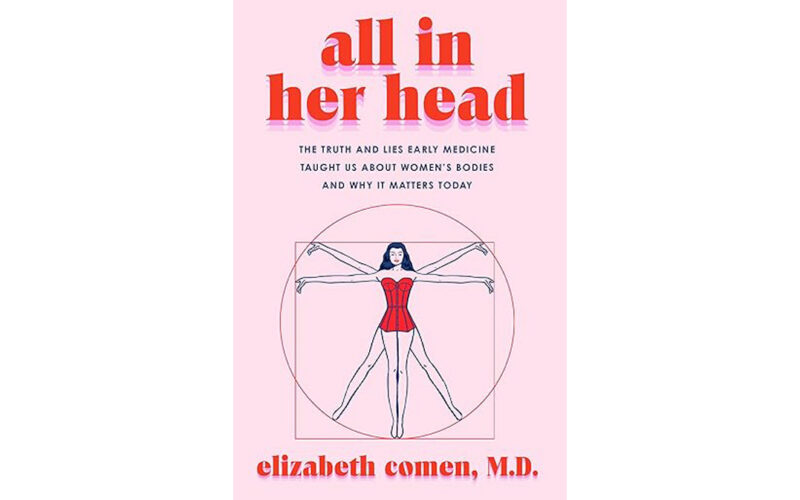
Por lo tanto, es posible que los lectores habituales sepan que la historia de la salud de la mujer está plagada de relatos en los que los cuerpos de las mujeres han sido cosificados, ignorados, mutilados y sexualizados. En su popular libro de 2024, Todo está en su cabeza: la verdad y las mentiras que la medicina antigua nos enseñó sobre el cuerpo de la mujer y por qué sigue siendo relevante hoy en día, La Dra. Elizabeth Comen, médica, “desmonta los mitos y prácticas médicas impactantes, indignantes y desgarradores que han marcado la atención y el tratamiento de las mujeres durante milenios” (como como dijo un crítico).
En esta reseña, analizaré en profundidad las ventajas y las limitaciones de Todo está en su cabeza, y te diré si te conviene comprarlo, pedirlo prestado o pasar de él.
Dra. Elizabeth Comen. es oncóloga especializada en cáncer de mama en la ciudad de Nueva York. Se licenció en Historia de la Ciencia en el Harvard College y obtuvo su título de doctora en Medicina en la Facultad de Medicina de Harvard. Harvard ofrece una especialización interdisciplinaria única que une las ciencias, la historia, la salud global y la medicina, y la formación interdisciplinaria de la Dra. Comen realmente destaca en Todo está en su cabeza.
Tras graduarse en Harvard, la Dra. Comen realizó su residencia en el prestigioso Hospital Mount Sinai y completó una beca de investigación en oncología en el igualmente reconocido Memorial Sloan Kettering Cancer Center.
El Dr. Comen ha publicado en varias revistas científicas de prestigio, ha recibido numerosas becas y premios, y ha aparecido en diversos medios de comunicación, tanto televisivos como impresos, como El programa Today, Buenos días, América, Fox News, Elle Revista, y El New York Times. Es una escritora y conferencista muy solicitada, y estos talentos en particular brillan en su libro.
¿Cuál es el público destinatario de Todo está en su cabeza?
Todo está en su cabeza está escrito para cualquier persona interesada en la historia de las mujeres en la medicina. Los médicos pueden encontrar en este libro un contexto útil para comprender y tratar a sus pacientes mujeres. A las pacientes les puede resultar útil para comprender la historia del tratamiento de una enfermedad concreta. Todos los lectores podrán apreciar el panorama que describe Todo está en su cabeza de lo mucho que hemos avanzado en el ámbito de los tratamientos médicos y la investigación en el siglo XXI.
¿Cuáles son las principales áreas de contenido de Todo está en su cabeza?
La Dra. Comen ha estructurado su libro al estilo de un libro de texto de fisiología: dividiendo el cuerpo en once sistemas orgánicos diferenciados, que incluyen el tegumentario, el esquelético, el muscular, el circulatorio, el respiratorio, el digestivo, el urinario, el inmunológico, el nervioso, el endocrino y el reproductivo (p. xv). Por lo tanto, sus capítulos se titulan coloquialmente Piel, Huesos, Músculos, Sangre, Respiración, Intestinos, Vejiga, Defensa, Nervios, Hormonas y Sexo, enmarcados por una introducción y una conclusión.
Cada capítulo incluye numerosas historias (a veces espeluznantes) sobre cómo han tratado a las mujeres los médicos (casi siempre hombres) a lo largo de la historia. Los ejemplos provienen de relatos reales redactados por médicos que describen casos de pacientes mujeres, así como de un ejemplo destacado de un libro de texto de medicina que describe a una paciente ficticia. Cada historia ilustra alguna inexactitud o prejuicio hacia una paciente, a menudo con consecuencias perjudiciales.
Puntos fuertes de Todo está en su cabeza
El libro pone de relieve y da reconocimiento a la historia médica de las mujeres
Uno de los mayores puntos fuertes del libro es que aborda algo que muchas mujeres han sentido (“No me tomaron en serio”) y lo sitúa en su contexto histórico. La Dra. Comen demuestra de manera convincente que el menosprecio de los síntomas de las mujeres no es una simple casualidad; se trata de un fenómeno estructural, histórico y profundamente arraigado en el desarrollo de la medicina moderna.
La Dra. Comen demuestra de manera convincente que el hecho de que se ignoren los síntomas de las mujeres no es una simple cuestión de mala suerte; se trata de un fenómeno estructural, histórico y profundamente arraigado en el desarrollo de la medicina moderna.
Destaca que “la narrativa médica occidental ha evitado en gran medida el debate sobre el cuerpo de la mujer, y mucho menos lo ha puesto en valor…” (p. xiii). Del mismo modo, los problemas de las mujeres han sido ignorados durante siglos, a menudo atribuidos a la ‘debilidad’ o ‘fragilidad’ femenina: “los huesos de las mujeres revelaban que eran primitivas y frágiles, subdesarrolladas e inferiores y… necesitadas de la protección vigilante de los hombres” (p. 39).
En Todo está en su cabeza, la Dra. Comen ofrece una descripción convincente de cómo, a lo largo de la historia, los maridos, los padres, los tutores masculinos y los médicos han dictado a las mujeres cómo deben verse y sentirse. Esto puede, en última instancia, animar a algunas mujeres de hoy en día al ver lo lejos que hemos llegado, al tiempo que da razón a aquellas que perciben que gran parte de la atención médica para las mujeres sigue siendo lamentablemente insuficiente.
El libro es fácil de leer y accesible
El Dr. Comen escribe para un público amplio, no para un público clínico. El libro es atractivo, ágil y está deliberadamente enfocado en la narrativa, lo que hace que una historia médica tan densa resulte accesible para lectores que quizá nunca tomarían en sus manos un libro académico o un texto sobre los prejuicios de género en la medicina.
En casi todos los capítulos, la Dra. Comen recurre a ejemplos de mujeres reales extraídos de textos médicos históricos, desentrañando el sesgo masculino implícito en las descripciones históricas de diversas dolencias o tratamientos médicos. Por ejemplo, en el capítulo dedicado a la sangre, la Dra. Comen analiza el diagnóstico frecuente de ‘clorosis’, un término contemporáneo para referirse a la anemia por deficiencia de hierro y sus dolencias relacionadas. Se encontraba a menudo en mujeres jóvenes y solteras, y muchos médicos varones lo atribuían a “desamor”, “deseo sexual insatisfecho” o “que la masturbación femenina era la causa secreta” (p. 91). Por ejemplo, el Dr. Charles E. Simon escribió para el público en general que la enfermedad se debía a los deseos sexuales en Revista Americana de Ciencias Médicas en 1897, pero luego concluyó rotundamente que la enfermedad era “consecuencia de la desnutrición” (p. 91).
En casi todos los capítulos, la Dra. Comen recurre a ejemplos de mujeres reales extraídos de textos médicos históricos, desentrañando el sesgo masculino implícito en las descripciones históricas de diversas dolencias o tratamientos médicos.
Limitaciones o puntos ciegos
Los capítulos son repetitivos
El libro plantea su idea central desde el principio y de manera convincente: la medicina ha fallado sistemáticamente a las mujeres. Sin embargo, en lugar de profundizar en el argumento, cada capítulo sucesivo repite el mismo patrón a través de diferentes especialidades e historias de pacientes. Me pareció que el efecto acumulativo no se percibía tanto como una intensificación, sino más bien como una redundancia.
La Dra. Comen aborda algunos de nuestros temas favoritos sobre salud femenina en Natural Womanhood, entre ellos la salud de la mujer hormonas, menstruación, y la salud sexual. Sin embargo, ella presenta lo que me pareció un argumento previsible: “a pesar de la omnipresencia de las hormonas… de alguna manera solo a las mujeres se les ha cargado con la idea de que sus hormonas las hacen impredecibles, incompetentes e inadecuadas para ciertos tipos de trabajo” (p. 257). La Dra. Comen insiste igualmente en que “las primeras teorías de la medicina, en última instancia mal informadas, sobre cómo funcionaban las hormonas en el cuerpo de las mujeres... han sido más perjudiciales en lo que respecta a la igualdad de las mujeres” (ibíd.).
Aunque sin duda hay algo de verdad en ambos puntos, su constante repetición resulta monótona. Y aunque a algunos lectores les pueda parecer fascinante leer durante once capítulos cómo los médicos causaban daño a los cuerpos de las mujeres, debo admitir que a mí me pareció tedioso.
El tono es acusatorio
El libro destaca especialmente cuando pone de manifiesto los daños; se muestra más débil a la hora de analizar los matices. Su tono es intencionalmente mordaz, pero en ocasiones sentí que su ira simplificaba en exceso la verdadera complejidad del tema. No todos los fallos de la medicina de la mujer se pueden reducir únicamente a la misoginia. Algunos también reflejan problemas más amplios de la medicina moderna: atención fragmentada, investigación con fondos insuficientes, médicos con poco tiempo y sistemas orientados a las ganancias. Estos han sido prevalentes en la medicina durante siglos. La Dra. Comen alude a estos temas, pero el libro está más interesado en la denuncia que en el análisis de los sistemas.
No todos los fallos en la medicina de la mujer se pueden atribuir únicamente a la misoginia. Algunos reflejan también problemas más generales de la medicina moderna: una atención fragmentada, una investigación con fondos insuficientes, profesionales con falta de tiempo y sistemas orientados a las ganancias.
Dicho esto, me sorprendió gratamente el enfoque del Dr. Comen respecto a control de natalidad. Aunque introdujo el tema criticando a los Institutos Nacionales de Salud por negarse a financiar la investigación básica en ciencias reproductivas hasta 1959 (p. 267), reconoció con precisión que los primeros desarrolladores (hombres) de los anticonceptivos hormonales lograron “inundar los cuerpos de… las pacientes con potentes hormonas que alteraron de manera fundamental sus procesos biológicos” (p. 268). Además, señala que al Dr. Gregory Pincus (uno de los codesarrolladores de la primera píldora anticonceptiva oral) no le preocupaba “la posibilidad de que su investigación pionera se estuviera llevando a cabo a expensas de sus sujetos’.’ salud y felicidad” (p. 269), un tema con el que las lectoras de *Natural Womanhood* están muy familiar.
El libro carece de soluciones concretas
Probablemente, esta sea la mayor limitación de fondo del libro. Todo está en su cabeza Sin duda, el libro cumple su cometido como obra que “justifica la ira”, ya que la Dra. Comen es excelente a la hora de mostrar a los lectores lo que está mal. Sin embargo, es menos concreta en cuanto a cómo debería ser la solución. Sí, hace un llamamiento general a escuchar a las mujeres con mayor seriedad, a estudiarlas con mayor rigor y a valorar el cuidado de manera diferente. Son puntos importantes, pero los lectores que busquen políticas, reformas clínicas o incluso solo algunos pasos prácticos a seguir pueden encontrar el final menos satisfactorio que la introducción.
El veredicto: comprar, pedir prestado o saltárselo Todo está en su cabeza ¿Todos juntos?
Personalmente, recomendaría a las lectoras de «Natural Womanhood» que lo tomaran prestado (o tal vez incluso que se lo saltaran) Todo está en su cabeza. Aunque el tema en general es fascinante, y valoro que por fin se acepte y se valore a las mujeres en la práctica médica (aunque aún queda mucho por mejorar), las historias repetitivas de la autora y su tono airado me parecieron tediosas, alarmantes y desconcertantes. Si tenemos en cuenta la historia de las mujeres, lamentablemente no es de extrañar que las pacientes hayan sido víctimas de sexismo, negligencia médica y abusos descarados a lo largo del tiempo. Sin embargo, personalmente me pareció innecesario insistir en los males de los médicos hombres durante once capítulos, especialmente sin incluir más matices sobre las fallas de nuestro sistema de salud en general.
Dicho esto, agradezco que estos hechos salgan a la luz. es Es importante reconocer los casos en los que la práctica médica y la historia de la medicina han maltratado a las mujeres y, en algunos casos, les han causado daño debido al tratamiento médico (o a la falta de él) que se les prescribió. Para la mujer moderna que sospecha que su profesional de la salud (¡sea hombre o mujer!) la está manipulando psicológicamente o engañando abiertamente, este libro podría brindarle el impulso necesario para defenderse y buscar una mejor atención.
En última instancia, Todo está en su cabeza podría resultar una lectura interesante para quienes tengan un gran interés en la historia de las mujeres o en la historia de la medicina, y podría ser especialmente importante para los médicos en ejercicio o en formación que reconozcan las limitaciones de la investigación médica en lo que respecta a la salud de las mujeres. El lector medio de NW —quien quizá ya esté familiarizado con el la tradicional infrarrepresentación de las mujeres en la investigación médica—podría simplemente pedir prestado este libro y hojear los capítulos que le resulten más interesantes o relevantes.