

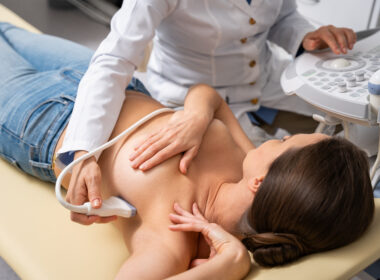


Como mujer que se acerca a los treinta y cinco años y que espera formar una familia pronto, lo último que quiero es pensar en que la cantidad y la calidad de mis óvulos —ambas esenciales para el éxito reproductivo— vayan disminuyendo a medida que envejezco [1]. Sin embargo, para aquellas de nosotras que actualmente estamos en camino hacia la maternidad, o que nos gustaría tener hijos en el futuro, comprender qué es la reserva ovárica disminuida (DOR) puede ser importante.
Quizás hayas oído hablar de los tratamientos recomendados para niveles bajos de AMH/reserva ovárica reducida, algunas de las cuales tienen más fundamento que otras. Ahora, un nuevo estudio se centra en la capacidad potencial del yodo para influir en los resultados de fertilidad, concretamente al mejorar la calidad de los óvulos.
Reserva ovárica reducida (DOR): qué es y por qué se produce
Una mujer nace con todos los óvulos que tendrá a lo largo de su vida, y su número disminuye de forma natural a medida que envejece. Se dice que una mujer tiene una ‘reserva ovárica reducida’ cuando sus ovarios contienen menos óvulos de los que cabría esperar para su edad. La calidad de los óvulos también puede ser baja.
Aunque la edad es el causa más común Además de la reserva ovárica reducida, pueden existir otros factores en el trabajo: antecedentes familiares de menopausia precoz; tratamientos de quimioterapia y radioterapia; trastornos autoinmunes y tiroideos; enfermedad inflamatoria pélvica causada por infecciones; toxinas ambientales; endometriosis ovárica; e incluso factores relacionados con el estilo de vida, como el tabaquismo, el estrés, la falta de ejercicio y una alimentación deficiente.
Tratamientos para la reserva ovárica reducida
Para las personas diagnosticadas con DOR, los tratamientos recomendados incluyen, en primer lugar, mejorar la alimentación, reducir el estrés y hacer ejercicio con regularidad. A algunas mujeres con DOR se les puede recomendar el uso de: fecundación in vitro (FIV), ya sea con sus propios óvulos o con óvulos de una donante; inseminación intrauterina (IIU) [2]; terapia hormonal sustitutiva para favorecer el ciclo menstrual y aliviar los síntomas de la menopausia; y intervenciones quirúrgicas en los ovarios para ayudar a regular la ovulación.
Una nota sobre las pruebas científicas relativas a la fecundación in vitro
Como se señala en este artículo de «Natural Womanhood» artículo, sin embargo, un Estudio de 2017 se observó que no existía una diferencia estadísticamente significativa en la probabilidad de concepción entre las mujeres con baja reserva ovárica y las mujeres con valores normales de AMH e inhibina B [3]. Y, en 2024, otro estudio reafirmó que la reserva ovárica no influye en la concepción natural [4]. Esto significa que un nivel bajo de AMH o un índice de reserva ovárica (DOR) por sí solos pueden no constituir una razón basada en la evidencia para recurrir a la FIV con el fin de concebir, especialmente teniendo en cuenta que riesgos para las mamás y los bebés.
Vitaminas y suplementos
Por otro lado, algunas intervenciones pueden favorecer o mejorar la calidad de los óvulos, lo que puede contribuir a una concepción saludable. Algunas suplementos, al igual que la CoQ10, han demostrado mejorar la tasa de maduración de los óvulos, la calidad de los embriones y la tasa de embarazos clínicos [5]. Vitamina D se ha demostrado que mejora la cantidad de óvulos al aumentar los niveles de AMH [6], la hormona que interactúa con la hormona folículoestimulante para controlar el crecimiento folicular. Melatonina también puede contribuir a la maduración de los óvulos, la fertilización y el desarrollo embrionario.
Cabe destacar un pequeño estudio realizado en Irán en octubre de 2025 y publicado en la revista Naturaleza descubrió que el yodo, un mineral esencial para la salud de la tiroides, la regulación del metabolismo y el desarrollo cognitivo en fetos y niños, también podría tener efectos positivos sobre la fertilidad en mujeres con DOR.
¿Podría la suplementación con yodo influir en la calidad de los óvulos?
Estudios previos han relacionado la deficiencia de yodo con la infertilidad; concretamente, con un retraso en la concepción y una “disminución de la fecundabilidad” [1]. Sabemos que la deficiencia de yodo puede afectar negativamente a la producción de hormonas tiroideas, y que El buen funcionamiento de la tiroides es esencial para la fertilidad [7]. Sin embargo, el estudio iraní de 2025 fue el primer estudio preliminar que se llevó a cabo sobre el impacto de la suplementación con yodo en la cantidad y la calidad de los ovocitos, la muerte celular de los óvulos (apoptosis) y el éxito Replicación, reparación y ensamblaje del ADN de los folículos en fase inicial a través de la Antígeno nuclear de células en proliferación (PCNA), en mujeres con DOR.
Cómo se llevó a cabo el estudio
El experimento incluyó a diez mujeres iraníes diagnosticadas con DOR, de entre 25 y 42 años, candidatas a la FIV o congelación de óvulos. Para poder participar, estas mujeres también debían cumplir los siguientes requisitos: no tener antecedentes de tabaquismo ni de abuso de sustancias; no tener antecedentes de abortos espontáneos múltiples; no padecer afecciones médicas subyacentes, como problemas de tiroides o endometriosis; y debían aceptar someterse a dos ciclos consecutivos de estimulación ovárica.
El primer ciclo se llevó a cabo sin suplementos de yodo y siguió el protocolo estándar de FIV para la estimulación ovárica. Antes del segundo ciclo, las participantes tomaron 150 microgramos de yodo al día durante dos meses, que es la cantidad de yodo recomendada por las directrices nacionales de Irán para las personas que intentan concebir.
Resultados del estudio
Efectos positivos en las células del cúmulo, las ‘guardianas’ del óvulo
Tras la suplementación con yodo, se observó un notable aumento porcentual en el número de células del cúmulo vivas, que pasó de 26,41 TP3T a 67,91 TP3T. Las células del cúmulo pueden considerarse las ‘guardianas’ generales del óvulo, ya que lo rodean directamente dentro del folículo y se aseguran de que los óvulos se desarrollen correctamente y puedan ser fecundados. Las células del cúmulo son vitales para el desarrollo y el crecimiento del óvulo antes de la ovulación, ya que facilitan la conversión de la glucosa a sus metabolitos—moléculas necesarias para la regulación y el mantenimiento de la función celular en los óvulos [5]. Las células del cúmulo también regulan la división celular del óvulo (meiosis) para prepararlo para la fertilización, y producen ácido hialurónico para expandirlo y facilitar la liberación del óvulo del folículo [5] [6].
Tras la suplementación con yodo, se observó un notable aumento porcentual en el número de células del cúmulo vivas, que pasó de 26,41 TP3T a 67,91 TP3T. Las células del cúmulo pueden considerarse las ‘guardianas’ generales del óvulo, ya que lo rodean directamente dentro del folículo y se aseguran de que los óvulos se desarrollen correctamente y puedan ser fecundados.
Además, la muerte temprana de las células del cúmulo se redujo de 19,31 TP3T a 13,71 TP3T, y la muerte tardía disminuyó de 44,71 TP3T a 9,01 TP3T. Si bien la apoptosis es un proceso controlado de muerte celular programada que ayuda a eliminar las células del cúmulo no viables, un mayor porcentaje de células vivas es óptimo para la viabilidad del óvulo [8]. Según el estudio: “Un delicado equilibrio entre los factores proapoptóticos y antiapoptóticos dentro de estas células es esencial para una ovulación exitosa y el desarrollo embrionario”. A partir de los resultados del estudio, parece que el yodo ayuda a reducir la muerte de estas células del cúmulo y a mantener el equilibrio necesario para producir óvulos de calidad, una alta tasa de fertilización y una gran cantidad de óvulos [1].
Efectos sobre los niveles de PCNA y la madurez de los óvulos
Los investigadores iraníes también descubrieron que un aumento en Antígeno nuclear de células en proliferación La expresión de PCNA tras la suplementación con yodo se correlacionó con la disminución de la muerte celular temprana y tardía. El nivel de PCNA tras la suplementación fue aproximadamente 3,4 veces mayor que antes de la suplementación. Este nivel más elevado de PCNA fue un indicador de que las células cúmulo se estaban multiplicando correctamente, o bien, en fase de crecimiento y división activos.
Por último, en cuanto a la calidad de los óvulos tras la suplementación con yodo, aunque no se observó un aumento significativo en el número de óvulos inmaduros o parcialmente maduros recuperados, sí se produjo un notable incremento en el número de óvulos completamente maduros (M2), es decir, los necesarios para una fertilización exitosa. El número de óvulos M2 pasó de 1,91 TP3T a 3,21 TP3T [1].
Por lo tanto, los investigadores iraníes concluyeron que: “dos meses de suplementación con yodo mejoraron significativamente la calidad de los ovocitos y afectaron positivamente diversos aspectos de la función celular… Estos resultados sugieren que la suplementación con yodo podría tener un efecto beneficioso sobre la salud ovárica y el potencial de fertilidad” [1]. Es importante destacar que, en el caso de las mujeres con DOR o niveles bajos de AMH, este aumento en los óvulos calidad puede ser incluso más importante para la fertilidad real que el número de óvulos que se tiene.
“Dos meses de suplementación con yodo mejoraron significativamente la calidad de los ovocitos y tuvieron un efecto positivo en diversos aspectos de la función celular… Estos resultados sugieren que la suplementación con yodo podría tener un efecto beneficioso sobre la salud ovárica y el potencial de fertilidad”.”
Aunque este estudio no presenta resultados clínicos como las tasas de embarazo o de nacidos vivos, y se necesitan más estudios con muestras más amplias y un grupo de control con placebo para una validación más exhaustiva, este estudio ha supuesto un primer paso fundamental para evaluar el impacto del yodo en la salud general de los óvulos en mujeres con DOR.
¿Incorporar yodo en la dieta para mejorar la calidad de los huevos?
El yodo se puede adquirir como suplemento de venta libre, normalmente en forma de yoduro de potasio o yoduro de sodio sintéticos, aunque también hay disponibles diversos suplementos que contienen yodo de origen natural, procedente de algas marinas y kelp. (Sin embargo, ten en cuenta que no debes tomar suplementos de yodo —¡ni de ningún otro tipo!— a ciegas. Si bien unos niveles adecuados de yodo favorecen el buen funcionamiento de la tiroides, exceso yodo puede llegar a interferir en el correcto funcionamiento de la tiroides [9].)
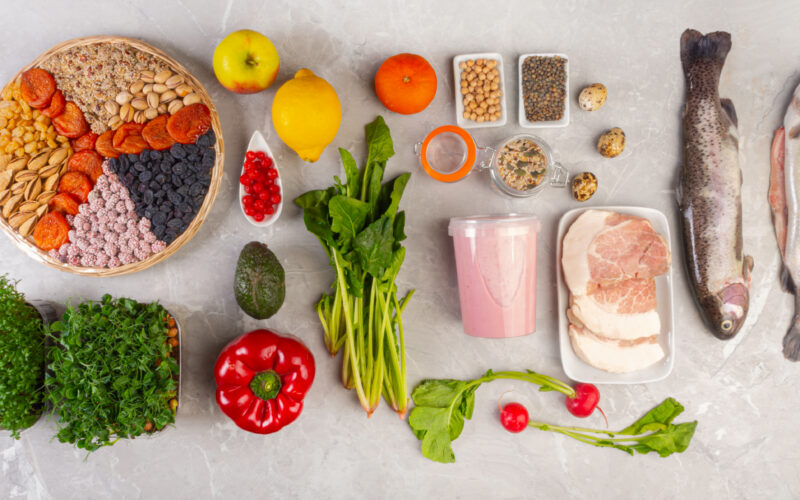
Además de los suplementos, también hay muchas fuentes de yodo presentes en los alimentos. Entre ellas se encuentran los mariscos, la leche y otros productos lácteos, y los huevos, lo cual puede mejorar la calidad de los huevos y otros parámetros de fertilidad. Para quienes no consumen productos de origen animal, el yodo se puede encontrar en algas y sal yodada.
Aunque se necesitan más estudios para confirmar de manera definitiva los resultados de este estudio iraní, esta investigación preliminar ofrece indicios esperanzadores para las mujeres que padecen DOR, ya que sugiere que los suplementos de yodo podrían, efectivamente, crear un entorno más propicio para el desarrollo saludable de los óvulos y la fertilización.
Referencias
[1] Masoumi M, Bagheri M, Hantoushzadeh S, Jafarabadi M, Tarazjani MD, Haghollahi F, Hedayati M, Naseri F, Nazeri P. El efecto de la suplementación con yodo sobre la apoptosis y la proliferación de los ovocitos en mujeres con reserva ovárica disminuida: un estudio piloto. Sci Rep. 3 de octubre de 2025; 15(1):34501. doi: 10.1038/s41598-025-16545-w. PMID: 41044113; PMCID: PMC12494958.
[2] Deneer, J.J.M., Le Cessie, S., van Santbrink, E.J.P. et al. Mayores tasas de éxito en el embarazo en pacientes menores de 40 años con reserva ovárica reducida cuando se tratan inicialmente mediante inseminación intrauterina con estimulación ovárica leve, en comparación con la fertilización in vitro sola: un estudio piloto. Reprod. Sci. 32, 2010-2018 (2025). https://doi.org/10.1007/s43032-025-01830-w
[3] Steiner AZ, Pritchard D, Stanczyk FZ, et al. Asociación entre los biomarcadores de la reserva ovárica y la infertilidad en mujeres mayores en edad reproductiva. JAMA. 2017;318(14):1367–1376. doi:10.1001/jama.2017.14588
[4] Galati G, Reschini M, Chine’ A, Benaglia L, Vigano’ P, Somigliana E, Vercellini P, Muzii L. La reserva ovárica no influye en la concepción natural: conclusiones a partir de mujeres infértiles. Arch Gynecol Obstet. Noviembre de 2024; 310(5):2691-2696. doi: 10.1007/s00404-024-07741-6. Publicación electrónica: 28 de septiembre de 2024. PMID: 39340554; PMCID: PMC11485058.
[5] Singh, S. (2025). Suplementación con coenzima Q10 en casos de respuesta ovárica deficiente y reserva ovárica reducida: una estrategia dirigida a las mitocondrias para optimizar los resultados de las técnicas de reproducción asistida. International Journal of Scientific Development and Research, 10(9). https://www.ijsdr.org/papers/IJSDR2509032.pdf
[6] Aramesh, S., Alifarja, T., Jannesar, R. et al. ¿Mejora la suplementación con vitamina D la reserva ovárica en mujeres con reserva ovárica disminuida y deficiencia de vitamina D?: un estudio de intervención con seguimiento antes y después. BMC Endocr Disord 21, 126 (2021). https://doi.org/10.1186/s12902-021-00786-7
[7] Mathews DM, Johnson NP, Sim RG, O’Sullivan S, Peart JM, Hofman PL. Yodo y fertilidad: ¿sabemos lo suficiente? Hum Reprod. 25 de enero de 2021;36(2):265-274. doi: 10.1093/humrep/deaa312. PMID: 33289034.
[8] Turathum, B., Gao, E.-M. y Chian, R.-C. (2021). La función de las células cúmulo en el crecimiento y la maduración de los ovocitos y en la ovulación y fertilización posteriores. Cells, 10(9), 2292. https://doi.org/10.3390/cells10092292
[9] Khudair A, Khudair A, Niinuma SA, Habib H, Butler AE. Más allá de la disfunción tiroidea: el impacto sistémico del exceso de yodo. Front Endocrinol (Lausanne). 2 de abril de 2025;16:1568807. doi: 10.3389/fendo.2025.1568807. PMID: 40241991; PMCID: PMC11999837.