




Para muchas mujeres, PMS is just a fact of life. Feeling achy and gross, experiencing mood swings and irritability, or being anxious or depressed before a period is normal… right? What’s there to be done? Women may be told to exercise and get enough sleep (which is a great place to start), get on birth control (which isn’t), or most likely, hear that all-too-familiar refrain, “it’s just part of being a woman.”
But like so many issues in women’s health, it might be that we simply don’t have the whole picture. While the shifting of hormones before a period certainly causes symptoms (which affects some women more than others), some women experience PMS symptoms that have an awful lot of overlap with a different condition: low calcium. And while PMS can be difficult to manage, treating low calcium levels can be simple and easy.
PMS and PMDD overview
Según la Oficina de Salud de la Mujer, PMS (síndrome premenstrual) is a blanket term for various symptoms women might experience in the one-to-two weeks before menstruación. These fase lútea symptoms include somatic (physical) symptoms like breast tenderness, constipation, bloating, headache, body aches, and sensitivity to noise and lights.
Mental/emotional symptoms include irritability, fatigue, sleep problems, difficulty with memory or concentration, depression, anxiety, or mood swings. When these symptoms are severe enough to stand in the way of living out day-to-day life, it becomes classified as TDPM (premenstrual dysphoric disorder).
What does calcium have to do with periods?
Calcium is the most abundant mineral in the body, making up the entire skeleton. And while forming strong bones and teeth is essential, the small amount of calcium that’s no stored in bones is just as important. Calcio is what allows muscles to contract; it governs heart rhythm and blood clotting; it is esencial in nerve communication and cell signaling, as well as mediates hormone secretion. The thyroid and parathyroid help to regulate the amount of calcium in the blood for all of these important functions, but there is another hormone involved in calcium regulation: estrogen.
Given the prevalence of osteoporosis in menopausal women, it’s long been understood that estrogen plays a role in bone health. Specifically, estrogen stops the breakdown of bone tissue by the body (the body may break down bone tissue to increase blood calcium levels or to remove and replace damaged bone tissue). At ovulation, estrogen peaks, which causes a dip in blood calcium levels during the luteal phase (when PMS symptoms are experienced). While this dip is a normal occurrence, it can be problematic in women prone to low calcium or whose bodies have a hard time regulating calcium levels.
Estrogen stops the breakdown of bone tissue by the body (the body may break down bone tissue to increase blood calcium levels or to remove and replace damaged bone tissue). At ovulation, estrogen peaks, which causes a dip in blood calcium levels during the luteal phase (when PMS symptoms are experienced). While this dip is a normal occurrence, it can be problematic in women prone to low calcium or whose bodies have a hard time regulating calcium levels.
Hypocalcemia
The body typically keeps blood calcium levels fairly constant, on account of its important jobs like muscle movement, heartbeat, and nerve function. However, there are several reasons blood calcium levels can become low. According to Clínica Cleveland, these may include:
- Vitamin D deficiency (vitamin D is needed to absorb calcium)
- Parathyroid problems (most commonly following thyroid surgery or due to autoimmune disease)
- Kidney problems (the kidneys are supposed to re-absorb calcium while filtering blood)
Symptoms of hypocalcemia include muscle cramps, dry skin, brittle nails, and hair becoming more coarse. It can also lead to confusion, memory problems, irritability, and depression.
Women with PMS appear to manage calcium differently than women without PMS
An older, very small study from 1995 tested five women without PMS and seven with PMS and found that estradiol and blood calcium levels were significantly lower in the PMS group, but that active parathyroid hormone (iPTH) was significantly higher. The control group also had higher active vitamin D levels throughout their cycles than the PMS group. The authors suggest that what appeared to be PMS symptoms was really secondary hyperparathyroidism.
The women in the PMS group:
- Had lower vitamin D (and thus less able to absorb calcium from food) and lower overall calcium levels
- Had a stronger response to estrogen than the control group in regards to calcium levels, resulting in even lower calcium levels despite lower estrogen peaks
- Had an exaggerated response from the parathyroid in an attempt to raise calcium levels (hence, hiperparathyroidism), but calcium levels remained lower than the control. This may imply a delayed response to iPTH or some underlying issue with kidney function, bone tissue, or vitamin D activation that makes it harder for the body to raise calcium levels back up [1].
Because of these problems in maintaining proper calcium levels following this mid-cycle dip, the women in the PMS group seemed to experience temporal hypocalcemia each month and the muscular and mental symptoms that come with it. Now, while this study is useful in identifying trends between estrogen, calcium, iPTH, and vitamin D, the study was very small and only studied women for a single cycle. The study did treat a single participant with supplemental calcium for three cycles and found that the secondary hyperparathyroidism seemed to resolve, but one participant isn’t much of a study.
A larger, Estudio de 2007 involving 115 women (68 with PMDD) tracked changes in blood calcium, urine calcium, PTH, and active vitamin D over the course of the menstrual cycle. The researchers found that, for women with PMDD, blood calcium levels were lower than the control group (despite having lower calcium excreted in urine), and lower levels of active vitamin D in the luteal phase. The authors suggest that the lack of responsiveness of vitamin D after ovulation contributes to this low-calcium state and explains some of the symptoms of PMDD [2]. This study agrees with the 1995 study that low calcium levels correlated with having PMS (in this case, PMDD specifically), and also suggesting that supplementing vitamin D with calcium would be more beneficial than calcium alone.
So, what if we give women more calcium to help buffer the mid-cycle calcium dip?
A Estudio de 2005 involving 179 Iranian university students, found that taking 500mg of calcium twice a day significantly improved symptoms of early tiredness (after treatment, 36.2% fewer participants reported having this symptom), appetite changes (after treatment, 29.1% fewer participants reported having this symptom), and depression symptoms (after treatment, 37.1% fewer participants reported having this symptom). Calcium didn’t affect symptoms that aren’t normally associated with hypocalcemia like breast tenderness and headache [3].
A 2017 study in Iran studying 66 university students found that after taking a 500mg calcium supplement for one cycle, average depression scores were about 19% lower in the calcium group. After two cycles, the calcium group reported less anxiety (27% lower average scores), less depression (46% lower average scores), and less somatic changes (46% lower average scores). (Somatic changes included any physical PMS symptoms such as aches and pains, nausea, and acne) [4]. While this study gave more information on how the severity of symptoms changed, this was a much smaller study than the previous Iranian study.
While both of these studies were relatively small and only involved participants in a specific age group and geographical region, these significant improvements following such a simple intervention are a promising result for women who struggle with PMS, or what might be better described as ovulation-related hypocalcemia.
Para llevar
Studies have found that women who experience PMS and PMDD tend to have lower calcium and vitamin D levels, and low calcium can cause many of the same symptoms we generally attribute to PMS such as depression, anxiety, and muscle aches and cramps. Supplementing calcium has been shown to make PMS symptoms less severe, and because calcium requires vitamin D for absorption and the parathyroid needs magnesium to function well, finding ways to raise all of these micronutrients can support proper calcium regulation.
Supplementing calcium has been shown to make PMS symptoms less severe, and because calcium requires vitamin D for absorption and the parathyroid needs magnesium to function well, finding ways to raise all of these micronutrients can support proper calcium regulation.
However, calcium was not shown to alleviate all the possible symptoms of PMS, nor was it shown to totally eliminate anxiety and depression. Poor calcium regulation can point to underlying endocrine or kidney problems, and we know that hormones alone can bring about physical symptoms and changes in mood, and that some women have a stronger response to hormonal shifts than other women. And while it may not be a perfect cure, adding extra calcium to your diet can be a healthy lifestyle change in general, and may offer substantial benefits. Outside of the luteal phase, extra calcium will promote bone health, softer skin, and stronger nails!
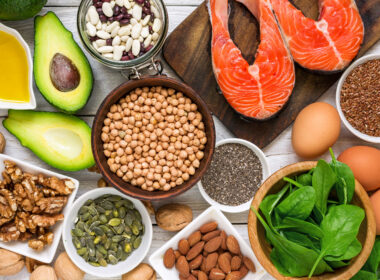
Looking for calcium rich foods like dairy and leafy greens or taking a supplement can help your body buffer against mid-cycle calcium drops if you suspect you may be suffering from low calcium or poor calcium regulation. And spending more time outdoors and supplementing vitamin D can improve calcium absorption and regulation—not to mention improve mood!