

Несколько месяцев назад друг прислал мне почта на Instagram с заглавным слайдом, который гласил: “Рекомендация о 300-500 дополнительных калориях приводит к голоду кормящих матерей”. Я сразу же была очарована. Я уже была знакома с распространенной рекомендацией, согласно которой кормящим матерям требуется 500 дополнительных калорий в день по сравнению с тем, что они потребляли до беременности.
С точки зрения анекдотов, нынешний послеродовой период - мой пятый по счету - был самым спокойным с точки зрения акцента на снижение веса. Сейчас я на седьмом месяце после родов, и в основном ем, когда голодна, с каждым месяцем уделяя все больше внимания снижению потребления сахара (а не “сокращению калорий”). Возможно, неудивительно, что потеря веса во время беременности была более постепенной, чем с моими старшими детьми. В то же время я меньше выпадение волос чем все мои предыдущие послеродовые опыты.
Я знаю, что так сложилось исторически, исследование здоровья женщин в этой стране не было на должном уровне, и что мы получили более чем справедливую долю репродуктивного здравоохранения, которое не служит нашему телу и не уважает наши естественные гормональные ритмы (пристально смотрим на вас, гормональный контрацептив!). Но правда ли, что потребности молодых матерей в питании сильно занижены? Действительно ли мы ’морим голодом“ послеродовых женщин?
Что не так с рекомендацией 500 лишних калорий в день?
Пост в Instagram, опубликованный В книге ’Postpartum University» утверждается, что потребности молодых мам в питании были определены на основе неточных и упрощённых расчётов. Как отмечается в публикации, в то время, когда была сформулирована рекомендация о 500 калориях в день, “включение женщин в медицинские исследования [на момент выхода первой рекомендации] было незаконно… Вместо этого исследователи изучали мужчин, а затем с помощью простых математических вычислений произвольно корректировали цифры в сторону уменьшения для ‘людей меньшего роста’. Затем они уменьшили потребность в калориях до беременности с учётом меньших размеров тела, добавили расчётные значения для выработки молока и разработали рекомендации, совершенно не учитывающие реальные потребности организма после родов”.”
Конечный результат? Универсальная рекомендация, которая не учитывает необходимость восполнить потери питательных веществ во время родов, залечить рану размером с обеденную тарелку, оставшуюся после отслойки плаценты, восстановить запасы питательных веществ после девяти с лишним месяцев беременности и преодолеть повышенные потребности в калориях из-за недосыпания, которое является неотъемлемой частью послеродового периода.
Конечный результат [рекомендации о 500 калориях]? Универсальная рекомендация, которая не учитывает необходимость восполнить потери питательных веществ во время родов, залечить рану размером с обеденную тарелку, оставшуюся после отслоения плаценты, восстановить запасы питательных веществ после девяти с лишним месяцев беременности и преодолеть повышенные потребности в калориях из-за недосыпания, которое является неотъемлемой частью послеродового периода.
Откуда на самом деле взялась рекомендация в 500 калорий?
Хотя мы не можем подтвердить, что рекомендация о 500 калориях действительно была основана на мужчинах, есть некоторые доказательства утверждений Postpartum University.
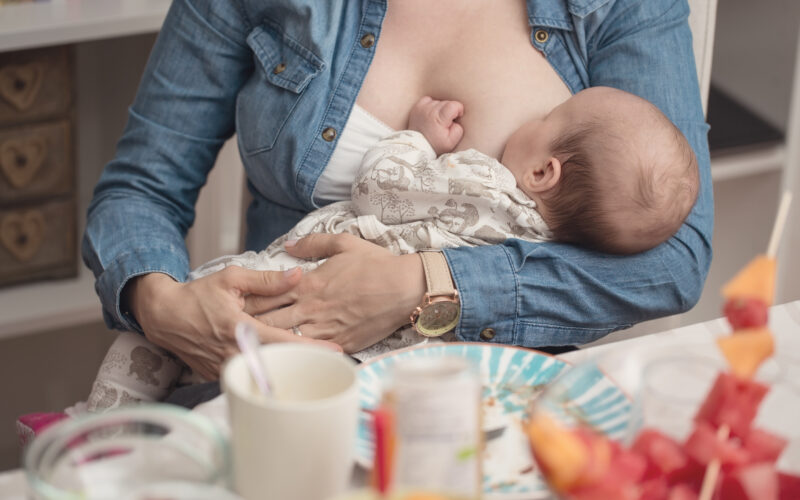
Согласно этому Исследовательская статья 2016 года о потребностях в питании во время беременности и после родов: “Женщинам, которые кормят грудью, требуется примерно 500 дополнительных ккал в день сверх того, что рекомендуется для небеременных женщин. Эта оценка основана на среднем объеме грудного молока, вырабатываемого за день (в среднем 780 мл, диапазон 450-1200 мл), и энергетическом содержании молока (67 ккал/100 мл)” [1]. Если принять во внимание все остальное, что происходит в организме женщины после рождения ребенка, то эта формула кажется половинчатой (простите за каламбур), учитывая ее невнимание к метаболическим сложностям послеродового периода.
Даже 2025 год исследовательская обзорная статья на тему “Питание для оптимальной лактации” в журнале Анналы питания и метаболизма повторяет рекомендацию в 500 калорий, рассчитанную исходя только из потребностей в грудном молоке [2].
Что происходит, когда матери не получают калорий, которых так жаждут их послеродовые тела?
Мы уже знаем, что некоторые питательные вещества будут присутствовать в грудном молоке независимо от питания матери, а другие - пропорционально тому, что может дать ее организм. В сообщении Postpartum University говорится о возможных последствиях (непреднамеренного) недоедания при соблюдении рекомендаций по 500 калориям. “Когда матери не получают достаточного количества калорий, организм отдает приоритет производству молока и жертвует восстановлением. У нее выпадают волосы. Ее гормоны разрушаются. Ее настроение дестабилизируется. Ее энергия исчезает”.”
Большинство женщин знакомы с этими симптомами или, по крайней мере, с их уменьшенной версией, как с “нормальными” проявлениями послеродового периода; но Postpartum U настаивает на том, что это не неизбежные изменения. Скорее, они могут быть непредвиденными последствиями того, что мы не удовлетворяем свои собственные потребности в питании в то время, когда наш организм дает, дает, дает нашим детям.
Нужны ли кормящим матерям дополнительные 1100-1600 калорий в день?
Как могли бы выглядеть рекомендации по калорийности, учитывающие реальные потребности молодых матерей в питании? Основываясь на нескольких исследованиях, ссылки на которые приведены в этом посте, специалисты Postpartum University считают, что для послеродового периода необходимо дополнительно 1100-1600 калорий. Вот как они вывели это число:
- 200-400 дополнительных калорий на восстановление после родов
- 200-300 калорий, чтобы компенсировать недостаток сна
- 100-200 калорий для поддержания стрессовой реакции организма на все физические и эмоциональные изменения, связанные с материнством
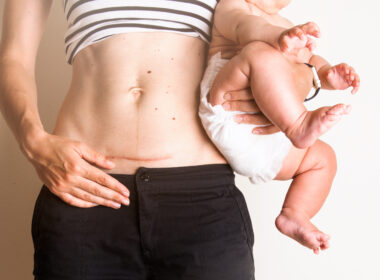
- И наконец, в статье приводятся данные исследований по восстановлению после хирургических вмешательств, согласно которым потребность в калориях возрастает на 15-20%. (Несмотря на то, что вагинальные роды происходят чаще, чем хирургические, то есть через кесарево сечение, Postpartum University утверждает, что роды любым способом считаются серьезной травмой с точки зрения заживления тканей).
Вот и получается, что послеродовой женщине необходимо 1100-1600 калорий сверх того, что она потребляла до беременности. Это два-три раза часто повторяемый показатель в 500 калорий.
В статье Postpartum University не уточняется, как долго потребности молодой мамы могут быть такими высокими, и, предположительно, дополнительные калории для восстановления после родов, как один из примеров, нужны лишь на короткое время. Кроме того, потребности новоиспеченной мамы в калориях, по логике вещей, будут снижаться по мере того, как ребенок будет вводить твердую пищу и начнет отлучаться от груди. Тем не менее, (потенциальная) пропасть между тем, что многие женщины после родов могут потреблять по сравнению с их фактический потребности должны заставить нас задуматься (и, возможно, перекусить во время паузы!).
В статье Postpartum University не уточняется, как долго потребности молодой мамы могут быть такими высокими, и, предположительно, дополнительные калории для восстановления после родов, как один из примеров, нужны лишь на короткое время. Кроме того, потребности новоиспеченной мамы в калориях, по логике вещей, будут снижаться по мере того, как ребенок будет вводить твердую пищу и начнет отлучаться от груди. Тем не менее, (потенциальная) пропасть между тем, что многие женщины после родов могут потреблять по сравнению с их фактический потребности должны заставить нас задуматься (и, возможно, перекусить во время паузы!).
Есть ли у нас нереалистичные ожидания относительно того, как быстро женщины должны сбросить свой “детский вес”?”
Мамы могут испытывать противоречивые чувства по поводу значительного увеличения количества потребляемых калорий, когда они все еще чувствуют себя “такими большими” спустя несколько месяцев после того, как их ребенок появился на свет. С каждым последующим ребенком я с удовлетворением отмечаю, что в культуре, в том числе в социальных сетях, все более спокойно относятся к проблеме потери детского веса. Меня не бомбардируют, как мою собственную маму, сообщениями о том, как “отскочить назад” после рождения ребенка, или рекламой “тренировочных лагерей”, чтобы вернуть мою добеременную форму, хотя такой контент, конечно, в какой-то степени все еще существует.
Но одна из ссылок на пост Postpartum University заставила меня задуматься о том, не стоит ли скорректировать даже мои собственные ожидания.
Продовольственная и сельскохозяйственная организация Объединенных Наций статья отмечает: “Послеродовая потеря массы тела обычно максимальна в первые три месяца и, как правило, больше у женщин, практикующих исключительно грудное вскармливание, однако степень мобилизации энергии для поддержания лактации зависит от гестационной прибавки веса и пищевого статуса матери”. Обзор 17 исследований показал, что в среднем хорошо питающиеся женщины теряют 0,8 кг/месяц, в то время как недоедающие матери теряют в среднем лишь 0,1 кг/месяц (Butte and Hopkinson, 1998)." Для справки: 0,8 кг в месяц - это всего лишь 1,76 фунта в месяц (а 0,1 кг - это 0,22 фунта). Конечно, это всего лишь одно исследование, причем старое, но эта цифра намного, намного меньше той суммы, которую я рассчитываю сбросить, - и я готова поспорить, что так будет и со многими женщинами после родов.
Аналогичным образом 2025 исследовательская статья по оптимальному питанию в период лактации, указывается скромная “ожидаемая потеря веса” в 0,64 кг, или 1,41 фунта, в месяц [2].
Как мамам узнать, что они получают достаточно калорий в послеродовой период?
Исторически сложилось так, что женщинам говорили, что они получают достаточно калорий, если их ребенок набирает вес соответствующим образом. Но, как уже говорилось выше, организм матери будет отдавать приоритет потребностям ребенка в питании, а не своим собственным, поэтому прибавка в весе ребенка является неадекватным показателем того, получает ли она сама достаточно калорий.
Пожалуй, самый простой совет по питанию в послеродовой период - есть, когда чувствуешь голод. Вторым простейшим сигналом к правильному питанию является предпочтение продуктов с высоким содержанием питательных веществ (орехи, авокадо, оливковое масло, семечки, животные жиры), а не “пустых” калорий (все, что продается в булочной вашего продуктового магазина, или большинство из того, что находится в отделах закусок). Возможно, вам также стоит увеличить потребление разогрев, приготовление пищи и напитков (в отличие от холодных и/или сырых продуктов), как традиционно принято в других культурах, поскольку они легче перевариваются и, следовательно, требуют меньше энергии от уже истощенной молодой матери.
Итоги
Молодые мамы, особенно в первые недели и месяцы послеродового периода, возможно, получают лишь малую часть того, что необходимо их организму (а не только их детям!) для оптимального заживления и восстановления. Необходимо срочно провести новые исследования, которые учитывали бы всю картину потребностей женщин в раннем послеродовом периоде, а также влияние адекватного питания на общее послеродовое состояние, начиная от настроения и заканчивая выпадением волос и уровнем энергии. Тем временем вы можете найти другие ресурсы по улучшению послеродового питания здесь.
Ссылки
[1] Kominiarek MA, Rajan P. Nutrition Recommendations in Pregnancy and Lactation. Med Clin North Am. 2016 Nov;100(6):1199-1215. doi: 10.1016/j.mcna.2016.06.004. PMID: 27745590; PMCID: PMC5104202.
[2] Perichart-Perera O. Nutrition for Optimal Lactation. Ann Nutr Metab. 2025;81(Suppl. 3):33-44. doi: 10.1159/000541757. Epub 2025 Feb 21. PMID: 39987902.