




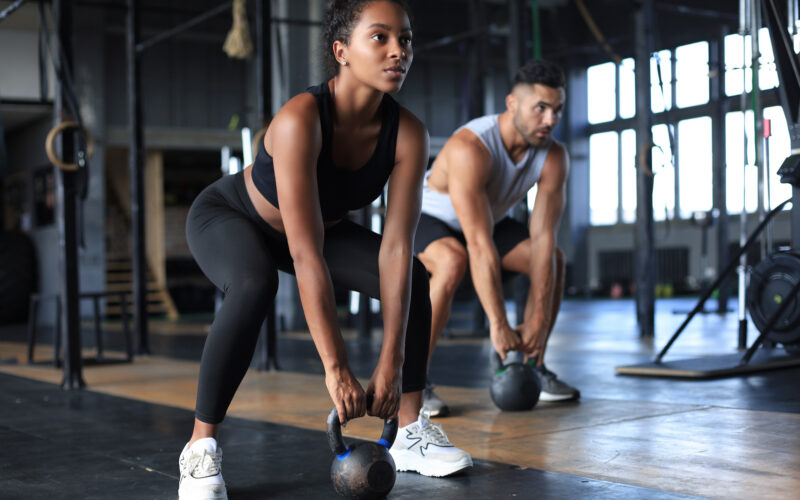
Вы уже слышали: взрослые должны получать не менее 150 минут умеренной физической активности каждую неделю, желательно распределить ее на всю неделю. А может быть, вы слышали, что она должна составлять 300 минут. Но это составляет более 40 минут упражнений в день!
Так каков же реальный порог физической нагрузки, который приводит к улучшению здоровья? Интересно, что недавно было проведено исследование исследование предполагает, что польза от физических упражнений может проявиться у женщин раньше, чем у мужчин.
Рекомендации по выполнению упражнений для широкой публики
Несколько организаций, включая Всемирную организацию здравоохранения (ВОЗ), Американской ассоциации сердца (AHA), а также Центры по контролю и профилактике заболеваний (CDC), есть конкретные рекомендации по физическим упражнениям для населения. Они разбиты по возрастным группам, и в этой статье мы сосредоточимся на взрослых в возрасте 18-64 лет.
Все три организации здравоохранения согласны с основными рекомендациями по физическим упражнениям:
- Не менее 150 минут упражнений умеренной интенсивности каждую неделю (например, бодрая ходьба или легкая пробежка) или 75 минут упражнений энергичной интенсивности (например, бег).
- Дополнительные 2 дня силовых тренировок каждую неделю (поднятие тяжестей или другие тренировки на сопротивление)
- Больше двигайтесь и меньше сидите (делайте короткие перерывы на ходьбу в течение дня).
- Занятия спортом до 300 минут в неделю дают дополнительные преимущества для здоровья
Имейте в виду, что эти рекомендации не специфические для мужчин или женщин, и вот тут-то все может стать интересным. Нужны ли женщинам и мужчинам одинаковые виды и объемы физических упражнений для достижения схожих результатов?
Мужчины и женщины по-разному реагируют на физические нагрузки
Совместная работа исследователей из Университета Цинхуа (Китай) и Медицинского центра Седарс-Синай (Калифорния) хотел узнать выясняли, различаются ли преимущества физической активности у мужчин и женщин [1]. Чтобы ответить на этот вопрос, они объединили данные Национального опроса о состоянии здоровья (National Health Interview Survey), в результате чего 400 000 взрослых жителей США предоставили данные о своей физической активности в период с 1997 по 2019 год.
Цинхуа/Седарс-Синай исследование Авторы признают давно установленные различия в том, как женщины и мужчины реагируют на физические упражнения [2]. Это может быть наиболее очевидным, если мы подумаем о том, как легко мужчины наращивать мышцы в тренажерном зале, в то время как женщины (даже делающие те же самые подтягивания!) не будут иметь таких же объемных рук. Кроме того, у женщин и мужчин разные пороги переносимости физических нагрузок - от аэробных возможностей до максимальной способности поднимать тяжести. В одном из обзоров даже было показано, что Женское сердце физиологически адаптируется по-другому после тренировки, чем у мужчин. “Женщины-спортсменки склонны к эксцентрическому ремоделированию, то есть камеры сердца увеличиваются пропорционально; мужчины чаще демонстрируют концентрическую гипертрофию, то есть более толстые стенки сердца”, - говорится в одном из исследований [3].
Проще говоря, наши тела разные, и, естественно, они по-разному реагируют даже на одни и те же действия (например, физические упражнения!).
Проще говоря, наши тела разные, и, естественно, они по-разному реагируют даже на одни и те же действия (например, физические упражнения!).
Различные способы измерения эффекта от физических упражнений
В исследовании Tsinghua/Cedars-Sinai при изучении влияния физических упражнений на мужчин и женщин основное внимание уделялось сердечно-сосудистой смертности и смертности от всех причин. Проще говоря, это означает, что они измеряли, как физические упражнения изменяют вероятность смерти человека от сердечного приступа или инсульта (сердечно-сосудистая смертность) и смерти вообще (смертность по всем причинам). В анализ не включались участники, у которых были предсуществующие заболевания, связанные с сердцем, например, история инсульта, и другие заболевания, например, рак. У оставшихся взрослых отслеживали частоту, продолжительность и тип физической активности (сокращенно ‘ФА’) [1].
Спойлер: Когда обе группы занимались одинаковыми физическими упражнениями, у женщин наблюдалось снижение смертности от всех причин и сердечно-сосудистой смертности по сравнению с мужчинами.
Преимущества наблюдались у женщин после меньших физических нагрузок по сравнению с мужчинами
Мы можем представить себе пользу от физических упражнений как медленно растущую кривую. Если вы не будете заниматься спортом, то не получите никаких преимуществ. По мере увеличения количества упражнений вы начнете замечать заметные изменения в своем здоровье. Может быть, Вы начнете лучше спать, возможно, похудеете, нарастите мышцы или измените состав тела [4].
В конце концов, эта кривая превращается в плато, когда вы достигаете максимальной выгоды от любой количество физических упражнений. Другими словами, больше упражнений (любого рода) не даст вам больше преимуществ, а может и вовсе начать причинять вред, например, повышение утомляемости и риска травм, или даже вредит вашей фертильности [5].
В исследовании Tsinghua/Cedars-Sinai ученые отметили, что мужчины достигают максимальной пользы после 300 минут умеренных или энергичных (повышающих частоту сердечных сокращений) упражнений в неделю [1]. Продолжение тренировок не оказало никакого влияния на смертность от всех причин. Однако женщины достигали тот же как мужчины после всего 140 минут упражнений в неделю. Кроме того, они наблюдали преимущества, превосходящие аналогичные показатели у мужчин, при максимальной продолжительности занятий 300 минут в неделю. Другими словами, исследователи обнаружили доказательства того, что женский организм имеет более низкий порог потребности в физических упражнениях по сравнению с мужским.
Исследователи отметили, что мужчины достигали максимального эффекта после 300 минут умеренных или энергичных (повышающих частоту сердечных сокращений) упражнений в неделю [1]. Продолжение тренировок не оказало никакого влияния на смертность от всех причин. Однако женщины достигали тот же как мужчины после всего 140 минут упражнений в неделю.
А когда исследователи сосредоточились на силовых тренировках? Они заметили, что мужчины, как правило, занимаются силовыми тренировками больше, чем женщины, и достигают максимального снижения смертности примерно через 3 занятия в неделю. Женщины достигали такого же эффекта только после один силовой тренировки. А когда женщины занимались силовыми тренировками три раза в неделю? Они в два раза сильнее снижали риск смертности по сравнению с мужчинами.
Какое удивительное и вдохновляющее исследование, призывающее женщин быть более физически активными!
Что это значит для планирования тренировок
Главный вывод из исследования Tsinghua/Cedars-Sinai заключается в том, что женщинам следует поощрять активность! По сравнению с мужчинами, мы видим подробнее преимущества с меньше физические упражнения. Хотя женщины постоянно отстают от мужчин по уровню физической активности, исследователи надеются, что эти данные помогут изменить ситуацию. Их выводы также свидетельствуют о том, что организации здравоохранения могли бы извлечь пользу из рекомендаций по физической активности с учетом пола.
Так что пусть вас не пугают эти большие цифры в 300 минут упражнений, и не попадайте в ловушку "все или ничего", когда речь заходит о том, сколько упражнений вы должны делать. Любое упражнение лучше, чем ничего - и оказалось, что женщинам не всегда нужно максимальное количество, чтобы получить максимальную пользу.
Ссылки
[1] Ji, H, Gulati, M, Huang, T. et al. Sex Differences in Association of Physical Activity With All-Cause and Cardiovascular Mortality. JACC. 2024 Feb, 83 (8) 783-793. https://doi.org/10.1016/j.jacc.2023.12.019
[2] Al-Mallah MH, Juraschek SP, Whelton S, Dardari ZA, Ehrman JK, Michos ED, Blumenthal RS, Nasir K, Qureshi WT, Brawner CA, Keteyian SJ, Blaha MJ. Половые различия в кардиореспираторном фитнесе и смертности от всех причин: The Henry Ford Exercise Testing (FIT) Project. Mayo Clin Proc. 2016 Jun;91(6):755-62. doi: 10.1016/j.mayocp.2016.04.002. Epub 2016 May 6. PMID: 27161032; PMCID: PMC5617114.
[3] Afaghi, S., Rahimi, F.S., Soltani, P., Kiani, A. and Abedini, A. (2024), Sex-Specific Differences in Cardiovascular Adaptations and Risks in Elite Athletes: Bridging the Gap in Sports Cardiology. Клиническая кардиология, 47: e70006. https://doi.org/10.1002/clc.70006
[4] Bea JW, Cussler EC, Going SB, Blew RM, Metcalfe LL, Lohman TG. Тренировки на сопротивление предсказывают 6-летнее изменение состава тела у женщин в постменопаузе. Med Sci Sports Exerc. 2010 Jul;42(7):1286-95. doi: 10.1249/MSS.0b013e3181ca8115. PMID: 20019638; PMCID: PMC2892016.
[5] Soligard T, Schwellnus M, Alonso J, et alHow much is too much? (Часть 1) Консенсусное заявление Международного олимпийского комитета о нагрузках в спорте и риске травмБританский журнал спортивной медицины 2016;50:1030-1041.