

С тех пор как холодное погружение стало трендом несколько лет назад, оно стало мейнстримом в мире велнеса: видео с тегом #coldplunge набрало более миллиард просмотров на TikTok, а знаменитости и люди, занимающиеся здоровым образом жизни, пропагандируют его преимущества. Хотя лично мне никогда не было интересно попробовать, существует множество научных данных, подтверждающих утверждения о том, что холодное погружение в воду может помочь во всем - от повышения сопротивляемости организма, восстановления мышц до ускорения метаболизма.
Однако в последнее время некоторые люди задаются вопросом, действительно ли женщины с их отличной от мужской физиологией получают ту же пользу от внезапного погружения в холодную воду, что и мужчины. Например, недавно было проведено исследование статья в SELF В журнале рассматриваются утверждения о том, что холодное погружение в воду может быть контрпродуктивным для женщин. Статья ссылается на недавнее исследование исследование с только В ходе исследования было установлено, что погружение в холод не приводит к ускорению восстановления мышц [1].
Так стоит ли женщинам решиться на это?
Что такое холодное погружение?
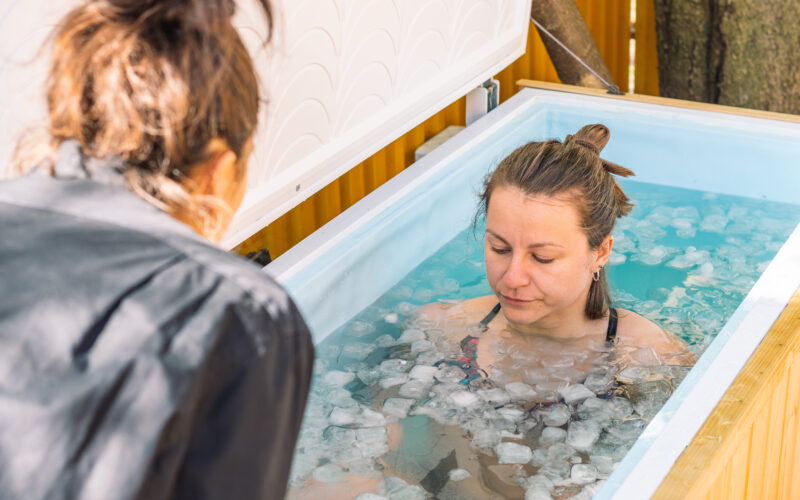
Холодное погружение, Погружение в холодную воду, также известное как погружение в холодную воду (CWI), предполагает частичное или полное погружение в холодную воду на несколько минут, либо сидя в ванне, либо прыгая в естественный водоем.
Почему люди это делают?
Практика холодного погружения датируется В записях из Египта и Греции холодная вода упоминается в терапевтических и социальных целях. Сегодня существуют две основные цели холодного погружения: общее здоровье и спортивные результаты [2].
Среди элитных спортсменов уже несколько десятилетий популярна практика использования ледяных ванн для восстановления мышц. Многие исследования (и несколько мета-анализы) собрали доказательства того, что холодное погружение в воду после интенсивных тренировок помогает облегчить боль в мышцах и в некоторых случаях способствует восстановлению [3] [4].
Примерно в 2020 году холодное погружение в воду стало вирусным велнес-трендом, и исследования в этой области также были многообещающими. Одно из исследований показало, что холодное погружение увеличивает количество дофамина в мозге на 250%, что говорит о том, что это мощный стимулятор настроения [5]. Другие исследования показали, что холодное погружение в воду положительно влияет на обмен веществ и может улучшить чувствительность к инсулину [6].
Что происходит с телом во время холодного погружения?
Когда тело мужчины или женщины погружается в холодную воду, активируется немедленная реакция организма на стресс. Наряду с учащением дыхания и сердцебиения происходит резкий всплеск кортизола, дофамина и адреналина. В отличие от хронического стресса и постоянно повышенного кортизол уровень, который способствует воспалению и другим проблемам со здоровьем, кратковременная реакция на стресс вызывает увеличение количества лейкоцитов и активацию иммунитета.
В ответ на холод кровеносные сосуды, расположенные ближе к поверхности кожи, сужаются - таким образом организм ограничивает приток крови к конечностям и поддерживает стабильную температуру тела.
Через несколько минут тело начинает вырабатывать собственное тепло, дрожа. Также активируется бурая жировая ткань, Он предназначен для поддержания температуры тела, а также помогает регулировать уровень сахара и инсулина в крови.
Как по-разному реагируют женские тела?
Этот процесс применим к представителям обоих полов, однако различия в строении тела женщин означают, что эффект от холодного погружения может быть разным и представлять дополнительные риски для женщин.
Женщины сильнее ощущать низкие температуры чем у мужчин, из-за их меньшего размера, меньшей мышечной массы и большего процента жира в организме. Меньшие размеры означают, что у женщин соотношение поверхности кожи к ее объему больше, чем у мужчин, что позволяет большему количеству тепла уходить через кожу. Мышцы помогают вырабатывать тепло, особенно при дрожи, поэтому большая мышечная масса мужчин помогает им быстрее вырабатывать тепло.
У женщин, как правило, температура тела немного выше, чем у мужчин, вероятно, потому, что большее количество жира в их организме обеспечивает большую изоляцию. Однако руки, ноги и уши у женщин также холоднее, чем у мужчин. найдено что женский организм начал вырабатывать собственное тепло при более низкой температуре, чем мужской, то есть не просто чувствовать себя холоднее, они были холоднее.
Эти различия в реакции женщин на низкие температуры означают, что погружение в холодную воду вызывает у женщин больший дискомфорт, что может привести к чрезмерной стрессовой реакции, которая в итоге принесет больше вреда, чем пользы. Кроме того, женщины подвергаются большему риску развития гипотермии.
Эти различия в реакции женщин на низкие температуры означают, что погружение в холодную воду вызывает у женщин больший дискомфорт, что может привести к чрезмерной стрессовой реакции, которая в итоге принесет больше вреда, чем пользы. Кроме того, женщины подвергаются большему риску развития гипотермии.
Как менструальный цикл влияет на холодные погружения для женщин
Неудивительно, что гормональные изменения, которые постоянно происходят в организме женщины детородного возраста в связи с менструальным циклом, также влияют на ее реакцию на погружение в холодную воду.
Во время лютеиновой фазы температура тела женщины немного теплее, чем в любой другой период цикла. (Именно поэтому повышение базальная температура тела используется в качестве биомаркера в симптоматических методах определения фертильности, чтобы показать, что овуляция произошла). Прогестерон (который наиболее высок во время лютеиновой фазы) вызывает сужение кровеносных сосудов в коже, ограничивая приток крови к конечностям, но повышая основную температуру. Эстроген имеет противоположный эффект: он заставляет кровеносные сосуды, расположенные близко к поверхности кожи, расширяться, что, в свою очередь, позволяет выводить больше тепла. (Он также отвечает за ‘овуляционное сияние’, которое делает женщин более привлекательными около овуляции).
Согласно Доктор Стейси Симс, Физиолог и эксперт по женскому здоровью, известный под лозунгом “Женщины - не маленькие мужчины”, утверждает, что женщины более чувствительны к холодовому стрессу и “испытывают большее снижение температуры тела... в лютеиновой фазе, когда прогестерон высок”. Вывод? Холодное погружение может быть более стрессовым для организма в лютеиновую фазу, чем в другие периоды цикла - если только вы не подстроите свою процедуру погружения под свою уникальную женскую физиологию.
Когда речь заходит о женщинах, решившихся на этот шаг, исследования продолжаются
Помимо дополнительных соображений, связанных с реакцией на стресс и гормональным взаимодействием, те, кто предостерегает женщин от холодного погружения, указывают на то, что исследования в этой области проводились в основном на мужчинах.
Однако в настоящее время проводится все больше исследований, направленных на выяснение того, как холодное погружение в воду может повлиять на здоровье женщин, в том числе исследование, на которое ссылается SELF [1]. Хотя это конкретное исследование не выявило никаких преимуществ для восстановления мышц после холодного погружения, в другом исследовании сделал считают, что погружение в холодную воду эффективный для уменьшения болезненности и ускорения восстановления мышц у женщин. Стоит отметить, что эти два исследования имели разный дизайн: оба включали в себя погружение в холодную воду после интенсивных тренировок, но в одном из них, которое не выявило никаких преимуществ, оценивался эффект от однократного погружения в холодную воду, в то время как в другом исследовании эффект от погружения в холодную воду изучался в течение пяти дней подряд.
Датский ученый доктор Сюзанна Сёберг, специализирующаяся на метаболизме и воздействии холода и жары, пишет Она считает, что необходимо провести дополнительные исследования, чтобы понять, как холодное погружение влияет на женские гормоны, метаболизм и процесс восстановления мышц, но первые данные о холодном погружении и женском здоровье она считает “многообещающими”. По словам Сёберг, холодное погружение может быть эффективным регулятором нервной системы, и есть некоторые доказательства того, что оно может “поддержка здоровья митохондрий, уменьшает воспаление и способствует окислению жиров у женщин”.”
Доктор Стейси Симс обладает прекрасным объяснитель о том, почему женщинам наиболее полезны протоколы холодного погружения при более умеренных температурах и с более короткими интервалами, чем те, что рекомендуются для мужчин. Она также утверждает, что важно различать холодное погружение для здоровья и для производительности, и следовать разным протоколам, чтобы действительно получить желаемую пользу.
Разные цели, разные методы
Основными факторами, которые влияют на общее состояние здоровья и спортивные результаты, являются температура, частота и продолжительность холодного погружения. Большинство негативных последствий, которые могут возникнуть у женщин в результате холодного погружения, вызваны слишком высокой температурой. А холодное погружение слишком часто может вызвать привыкание организма к нему, снижая выделение кортизола и адреналина, что значительно снижает его эффективность.
Основными факторами, которые влияют на общее состояние здоровья и спортивные результаты, являются температура, частота и продолжительность холодного погружения. Большинство негативных эффектов, которые могут возникнуть у женщин при холодном погружении, вызваны слишком экстремальными температурами. А слишком частое погружение в холод может привести к тому, что организм привыкнет к нему, что снизит выделение кортизола и адреналина, значительно снизив его эффективность.
Доктор Симс дает женщинам следующие рекомендации по безопасному и эффективному холодному погружению:
Здоровье: Умеренно низкие температуры, около 57-59°F (14-15°C), все равно активизируют кратковременную реакцию организма на стресс и выработку тепла бурой жировой тканью. Доктор Симс рекомендует погружаться в воду на короткое время - от двух до пяти минут, до четырех раз в неделю, чтобы получить эти преимущества, не перенапрягая организм.
Производительность: Для восстановления мышц слегка более низкие температуры (50-54°F или 10-12°C) в течение 10 минут могут облегчить болезненность и воспаление после интенсивной тренировки. Холодные обливания после силовых тренировок не рекомендуются, так как они могут ограничить рост мышц.
Когда не стоит окунаться в холодную воду
Существуют споры о безопасности холодного погружения во время беременности. Некоторые ученые утверждают, что холодное погружение может быть полезным во время беременности, уменьшая воспаление и потенциально улучшая чувствительность к инсулину. Однако общая рекомендация заключается в следующем избегайте холодное погружение в воду во время беременности, поскольку оно может ограничить приток крови к развивающемуся ребенку и усилить стресс.
Из-за временной нагрузки на сердце и повышения кровяного давления, возникающих при погружении в холод, также не рекомендуется для тех, у кого есть проблемы с сердцем или кто принимает лекарства от артериального давления. Если вы сомневаетесь, обсудите с вашим лечащим врачом потенциальную пользу и риск для вас.
Итог: умеренность - это главное
Несмотря на то, что в области погружения в холодную воду (особенно для женщин) еще много исследований, кажется, что нет никаких серьезных причин, по которым женщинам не стоит погружаться в воду, если соблюдать некоторые меры предосторожности. Тем, кто хочет попробовать, следует начинать с чуть более теплой воды (около 59°F или 15°C) и погружаться в нее всего на пару минут за раз. По словам доктора Сёберга, холодное погружение в воду “не для того, чтобы что-то доказать”. Начинайте медленно и обращайте внимание на свое самочувствие (а если вы пользуетесь FAM, то и на то, как реагируют ваши циклы, регулируя температуру и продолжительность в зависимости от фазы цикла), чтобы определить, хотите ли вы добавить холодное погружение в свою рутину или это не для вас.
Ссылки
[1] Wellauer V, Clijsen R, Bianchi G, Riggi E, Hohenauer E. Никакого ускорения восстановления после вызванного физической нагрузкой повреждения мышц после погружения в холодную или горячую воду у женщин: Рандомизированное контролируемое исследование. PLoS One. 2025 May 7;20(5):e0322416. doi: 10.1371/journal.pone.0322416. PMID: 40333546; PMCID: PMC12057877.
[2] Allan R, Malone J, Alexander J, Vorajee S, Ihsan M, Gregson W, Kwiecien S, Mawhinney C. Cold for centuries: a brief history of cryotherapies to improve health, injury and post-exercise recovery. Eur J Appl Physiol. 2022 May;122(5):1153-1162. doi: 10.1007/s00421-022-04915-5. Epub 2022 Feb 23. PMID: 35195747; PMCID: PMC9012715.
[3] Xiao F, Kabachkova AV, Jiao L, Zhao H, Kapilevich LV. Влияние погружения в холодную воду после тренировки на восстановление после утомления и работоспособность при выполнении упражнений - мета-анализ. Фронтальная физиология. 2023 Jan 20;14:1006512. doi: 10.3389/fphys.2023.1006512. PMID: 36744038; PMCID: PMC9896520.
[4] Hohenauer E, et al. Влияние посттренировочной криотерапии на характеристики восстановления: систематический обзор и мета-анализ. PLoS ONE. 2015;10(9):e0139028. doi: 10.1371/journal.pone.0139028.
[5] Kelly JS, Bird E. Улучшение настроения после однократного погружения в холодную воду. Lifestyle Med. 2022;3:e53. https://doi.org/10.1002/lim2.53
[6] Huo C, Song Z, Yin J, Zhu Y, Miao X, Qian H, Wang J, Ye L, Zhou L. Влияние острого воздействия холода на энергетический метаболизм и активность коричневой жировой ткани у людей: A Systematic Review and Meta-Analysis. Front Physiol. 2022 Jun 28;13:917084. doi: 10.3389/fphys.2022.917084. PMID: 35837014; PMCID: PMC9273773.