


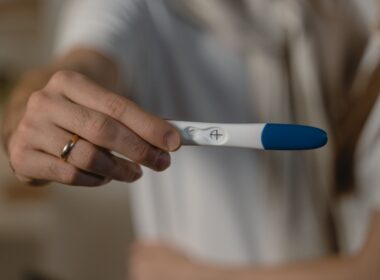


PCOS, или синдром поликистозных яичников, получает новое название, и оно многозначительное. Как было объявлено в мае 2026 года статья в престижном медицинском журнале Ланцет, PCOS переименовывается в полиэндокринный метаболический синдром яичников, или ПМОС. После трехлетнего переходного периода термин ‘PCOS’ будет окончательно заменен на ‘PMOS’ в международных медицинских исследованиях, в кабинетах врачей, образование, и пропагандистские мероприятия.
Вот почему смена названия - это не просто ребрендинг или наведение лоска, а достойное и необходимое признание того, что кисты яичников - не главное в этом давно не диагностируемом заболевании, которым страдают 170 миллионов человек по всему миру.
Как изменилось наше понимание PCOS за последние годы
Исторически считалось, что PCOS - это репродуктивная проблема, вызванная избытком андрогенов (половых гормонов, которые вызывают появление мужских признаков). Считалось, что внутри яичников у женщин с PCOS имеется множество кист, отсюда и ‘поликистоз’ в названии. Внешние признаки включали нерегулярные циклы, ановуляцию (отсутствие овуляции), появление волос в местах, не соответствующих мужскому типу роста волос (например, на подбородке, шее и груди), а также избыточный вес или ожирение.
В последние годы мы неоднократно отмечали изменения в нашем культурном и медицинском понимании ПКОС. Мы уже давно знаем, что ПКОС не выглядит одинаково для всех, как мы отметили в нашей статье “постный PCOS.” Более того, он оказывает влияние на здоровье других систем организма за пределами репродуктивной системы, о чем мы рассказывали в наших статьях о PCOS и потеря памяти в среднем возрасте и ПКОС и потеря слуха. Мы также обратили внимание на все более очевидную связь между PCOS и метаболические проблемы например, инсулинорезистентность.
Новое название - полиэндокринно-метаболический синдром яичников (ПМОС) - связывает все вышеперечисленные нити воедино и было разработано на основе результаты 22 000 ответов на опросы пациентов и медицинских работников, а также сотрудничество с десятками отечественных и международных медицинских и правозащитных организаций, среди них: Международная сеть по ПКОС - Университет Монаша, Центр NHMRC по изучению здоровья женщин в репродуктивной жизни (CRE-WHiRL), AE-PCOS (Международное общество по избытку андрогенов и синдрому поликистозных яичников) и британская группа пациентов Verity).
Что означает смена названия
Изменение названия отражает три ключевых факта. Во-первых, кисты яичников не являются основным признаком ПКОС/ПМОС. Во-вторых, ПМОС - это хроническое заболевание, которым страдают не только женщины репродуктивного возраста. В-третьих, ПМОС - это не только репродуктивная проблема.
Изменение названия отражает три ключевых факта. Во-первых, кисты яичников не являются основным признаком ПКОС/ПМОС. Во-вторых, ПМОС - это хроническое заболевание, которым страдают не только женщины репродуктивного возраста. В-третьих, ПМОС - это не только репродуктивная проблема.
Кисты яичников не являются основным признаком PCOS/PMOS
“Теперь мы знаем, что на самом деле количество аномальных кист на яичнике не увеличивается, а разнообразные особенности этого состояния часто оставались недооцененными”, - заявил Профессор Хелена Тиде, Профессор Университета Монаша, который выступил инициатором изменения названия, по словам пресс-релиз от Эндокринного общества.
То, что раньше считалось множественными кистами на яичниках, на самом деле является случаем задержки развития: скопления незрелых фолликулов, которые так и не достигли момента овуляции и на снимках выглядят как кисты.
ПМОС - это хроническое заболевание...
Изменение названия также признает, что ПКОС не только влияет на женщин репродуктивного возраста, о чем мы упоминали в нашей статье о связи между ПКОС и когнитивными нарушениями на поздних этапах жизни, но и просто проходит со временем. Например, метаболические последствия ПКОС не заканчиваются с прекращением менструации.
...И это может быть не только для женщин.
И вот что еще важно: PMOS может не быть строго женщина тоже. Еще в сентябре 2025 года, Шифер опубликована статья, в которой отмечается, что некоторые гены, связанные с PCOS у женщин, также были обнаружены у их родственников первой степени родства по мужской линии. В отличие от женщин, эти мужчины, как правило, имели слишком...низкий уровень андрогенов. Кроме того, у них были не столько репродуктивные проблемы, сколько кожные (раннее облысение по мужскому типу) и метаболические, такие как инсулинорезистентность и ожирение.
Апрель 2026 года Статейная статья В настоящее время у женщин это состояние диагностируется как PCOS; у мужчин сходные черты, особенно у родственников, отражают общие генетические и метаболические пути, а не формально определенный синдром“, - цитирует Окан Бюлент Йылдыз, турецкий профессор медицины и эндокринологии. Йылдыз является соавтором исследования широко цитируемая статья, опубликованная в апреле 2025 года в журнале Природа В книге исследуется, как метаболическая дисфункция проявляется в целых семьях женщин с ПКОС, и утверждается, что метаболические проблемы, не только репродуктивные проблемы, Это ключевые характеристики PCOS.
PMOS - это метаболизм, гормоны, психическое здоровье, кожа, и репродуктивное состояние
Сайт Lancet статья В книге описаны возможные проявления ПМОС с точки зрения нескольких систем организма. Симптомы могут быть “метаболическими (то есть ожирение, дисгликемия, диабет 2 типа, гипертония, дислипидемия, метаболическая дисфункция-ассоциированная стеатотическая болезнь печени, сердечно-сосудистые заболевания и апноэ во сне), репродуктивными (нарушения овуляции, нерегулярные менструальные циклы, бесплодие, осложнения беременности и рак эндометрия), психологические (депрессия, тревожность, низкое качество жизни и расстройства питания) и дерматологические (акне, алопеция и гирсутизм).”
Симптомы ПМОС могут быть “метаболическими, репродуктивными, психологическими и дерматологическими”.”
Название ‘Полиэндокринно-метаболический синдром яичников’ представляет собой мультисистемный гормональный, метаболический синдром, и репродуктивные последствия этого состояния.
Эксперты в области РРМ и защитники женского здоровья в восторге от смены названия
Уже 12 мая социальные сети были заполнены сторонниками охраны здоровья женщин и восстановительная репродуктивная медицина Практики, радующиеся этой новости.
Сайт Американский фонд эндометриоза признали, что многие женщины с эндометриозом также страдают ПКОС и выиграют от изменения названия.
Мнение акушера-гинеколога и репродуктивного эндокринолога
Популярный акушер-гинеколог и репродуктивный эндокринолог с двойным сертификатом доктора Натали Кроуфорд, доктор медицинских наук написал, в частности, “...важно, что многие пациенты и группы защиты настаивали на этом изменении, потому что нынешнее название способствовало многолетней путанице, задержке диагностики и увольнению. Новое название не исправит ситуацию. Но оно может помочь продвинуть разговор в сторону более ранней диагностики, более качественных исследований и более комплексного лечения”.”
Мнение акушера-гинеколога и хирурга, прошедшего обучение по программе NaPro
Акушер-гинеколог Наоми Уиттакер, прошедшая обучение в Напро, поделилась с нами почта из аккаунта Sacred as a Mother, в котором, в частности, говорилось: “Полиэндокринный метаболический синдром яичников никогда не был заболеванием яичников. Это более масштабное метаболическое событие, использующее яичник для коммуникации. Кистозные фолликулы, инсулинорезистентность и циклическая дисрегуляция были делегатами для женской живой системы, застрявшей в эволюционном несоответствии с современным биологическим антагонизмом. Яичники все это время были ниже по течению. Мудрые органы общались с нами, показывали нам огонь, а мы винили дым”.”
Уиттакер прокомментировал: “Я одержим этим анализом и обновлением. 🔥🔥🔥🔥🔥🔥 все вещи. Женские органы все время были козлами отпущения! Хватит уже женоненавистничества!!!”
Мнение специалиста по функциональному питанию
Джинни Нос из организации "Женское здоровье RN под названием смену названия “шагом в правильном направлении”, но при этом предостерегла от сосредоточения исключительно на метаболических аспектах ПМОС. Она пишет: “Помимо инсулинорезистентности существует семь важнейших факторов, которые я рассматриваю в каждом случае ПКОС/ПМОС в своей практике”. Среди них - воспаление, окислительный стресс, здоровье кишечника, дефицит питательных веществ. В своем посте Нос также задалась вопросом, не может ли чрезмерный акцент на метаболической дисфункции при ПКОС/ПМОС “потенциально привести к тому, что вы будете принимать больше метформина и GLP-1?”. Она резюмировала: “Женщины с ПКОС/ПМОС заслуживают полномасштабного исследования и плана лечения, а не просто новой лекарственной мишени”.”
Итоги ребрендинга PCOS
Изменение названия с PCOS на PMOS - это не хитрая маркетинговая тактика (в конце концов, ‘полиэндокринный метаболический синдром яичников’ не так уж легко сходит с языка). Это результат многолетнего вдумчивого сотрудничества медицинских работников и жизненного опыта тысяч женщин. PCOS, а теперь и PMOS, в конечном счете не связан с кистами яичников и не является исключительно репродуктивной проблемой.
Несмотря на то что большинство основных комментариев молчаливо не признают этого, тихой звездой шоу здесь является менструальный цикл как пятый жизненно важный признак женского здоровья всего тела. Как отмечается в книге Sacred as a Mother, яичники - это “мудрые органы, общающиеся с нами, показывающие нам огонь, а мы обвиняем дым”.” Составление графиков менструального цикла, Важнейший компонент методов повышения фертильности и естественного планирования семьи, помогает выявить нарушения цикла и проблемы, которые могут указать на PCOS/PMOS для диагностики и лечения.
Тихой звездой шоу здесь является менструальный цикл как пятый жизненно важный признак женского здоровья всего тела. Как отмечается в книге “Святость как мать”, яичники - это "мудрые органы, общающиеся с нами, показывающие нам огонь, а мы обвиняем дым".”
За новое имя, новую надежду и лучший уход для миллионов женщин во всем мире.